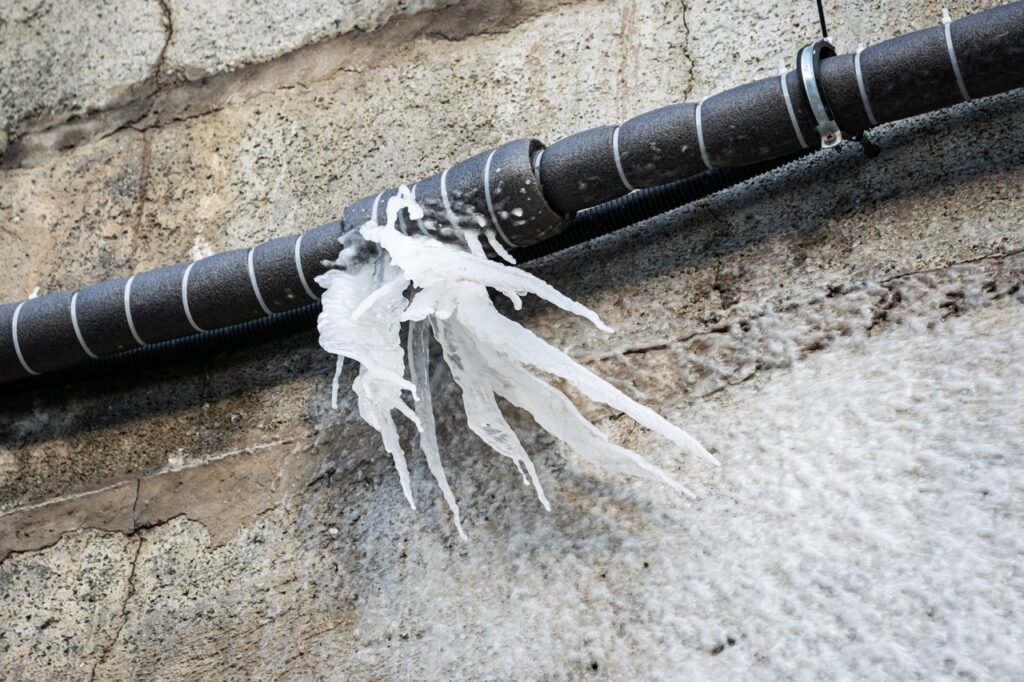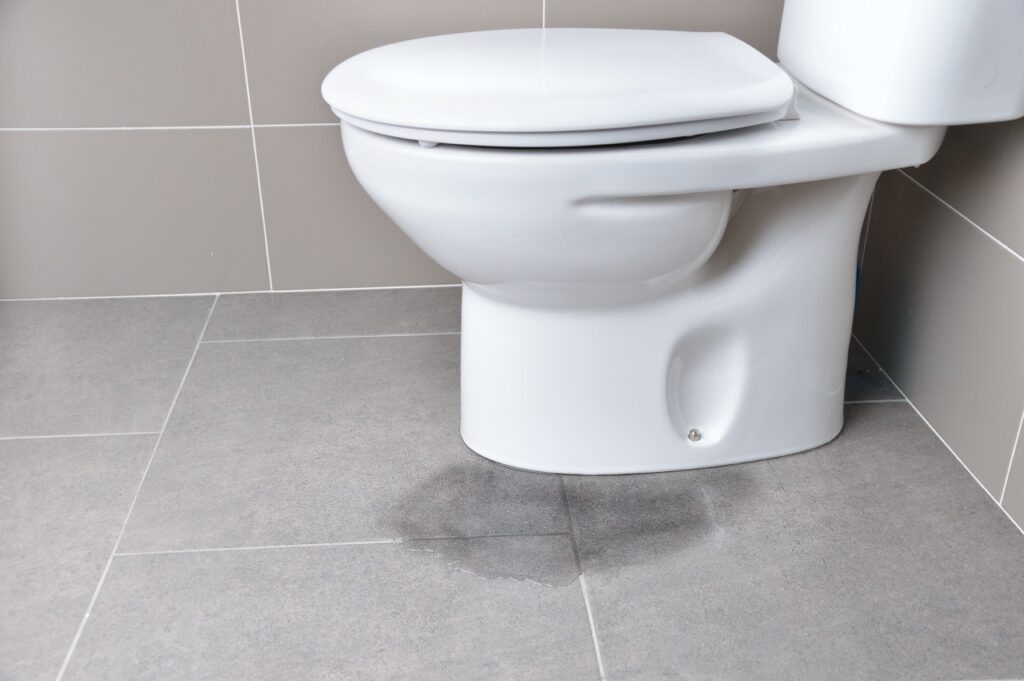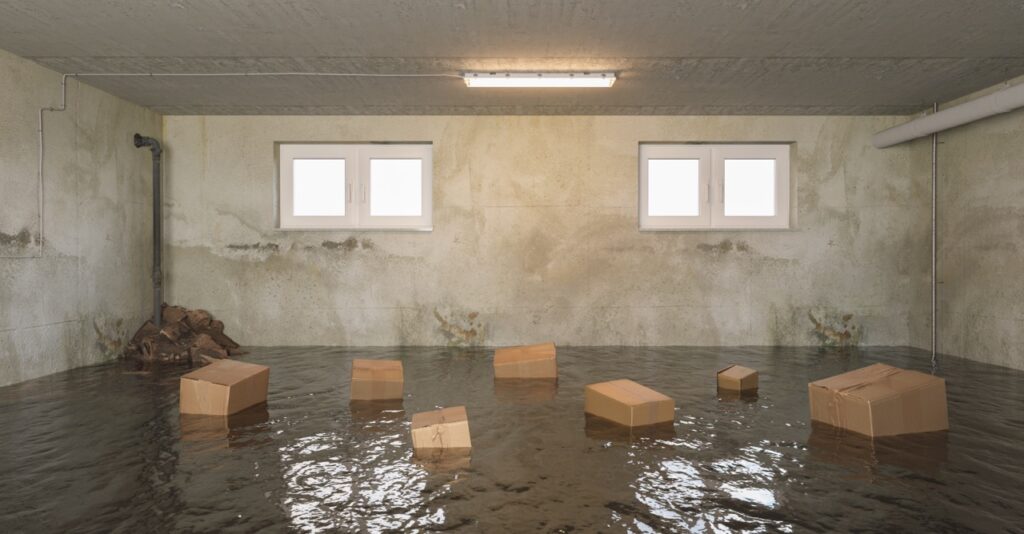
Water damage is a common, disruptive problem for homeowners. However, it doesn’t always come from burst pipes or bad weather. In fact, everyday appliances like washing machines, refrigerators, and dishwashers are often the source of slow, hidden leaks. Left unchecked, they can lead to severe water damage and mold growth in flooring, cabinets, and walls.
In this guide, we’ll walk you through how to spot an appliance water leak, what steps you can take to prevent one, and how to fix damage from an existing leak to avoid long-term issues.
What Is an Appliance Water Leak?
An appliance water leak happens when water escapes from a household appliance connected to your home’s water supply or drain system. Common causes include worn hoses, loose connections, clogged drains, or failing parts.
The Dangers of Slow Leaks
Not all appliance leaks happen suddenly. A slow leak may drip or seep over weeks or months, making it much harder to detect. Unlike a burst hose that floods an area quickly, slow leaks often hide behind appliances, under flooring, or inside walls.
These hidden water leaks are especially dangerous because they allow moisture to build up over time. This can weaken structural materials, cause wood rot, and create the perfect environment for mold growth.
5 Common Appliances Responsible for Water Leaks
Appliance leaks may seem minor at first, but they can cause serious water damage if left unchecked. Knowing the warning signs and which appliances pose the biggest risk can help you avoid costly appliance leak cleanup.
Here are five of the most common household appliances responsible for water leaks:
Washing Machines
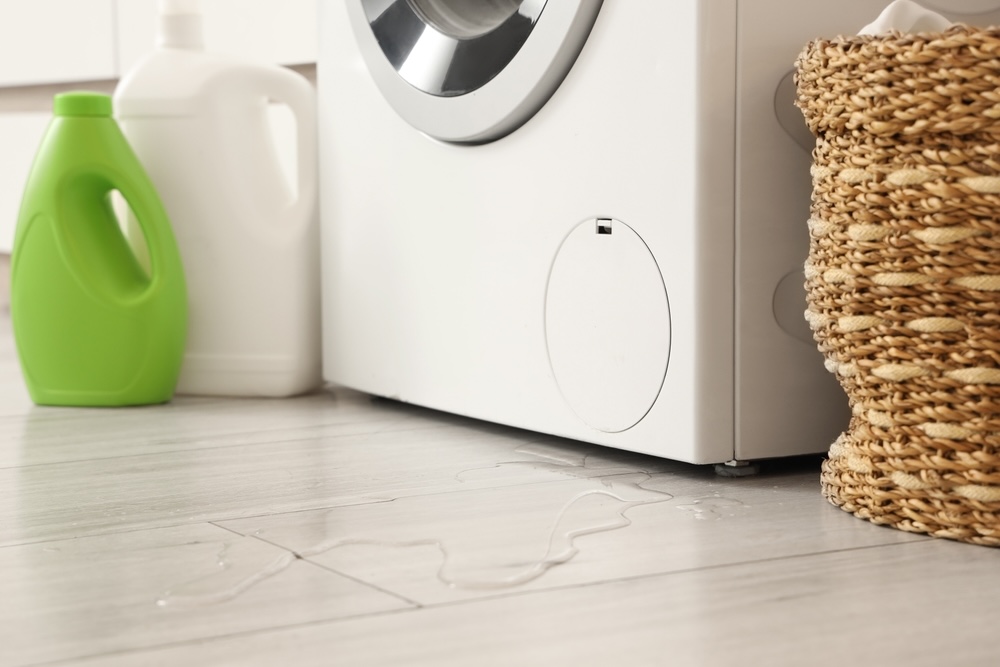
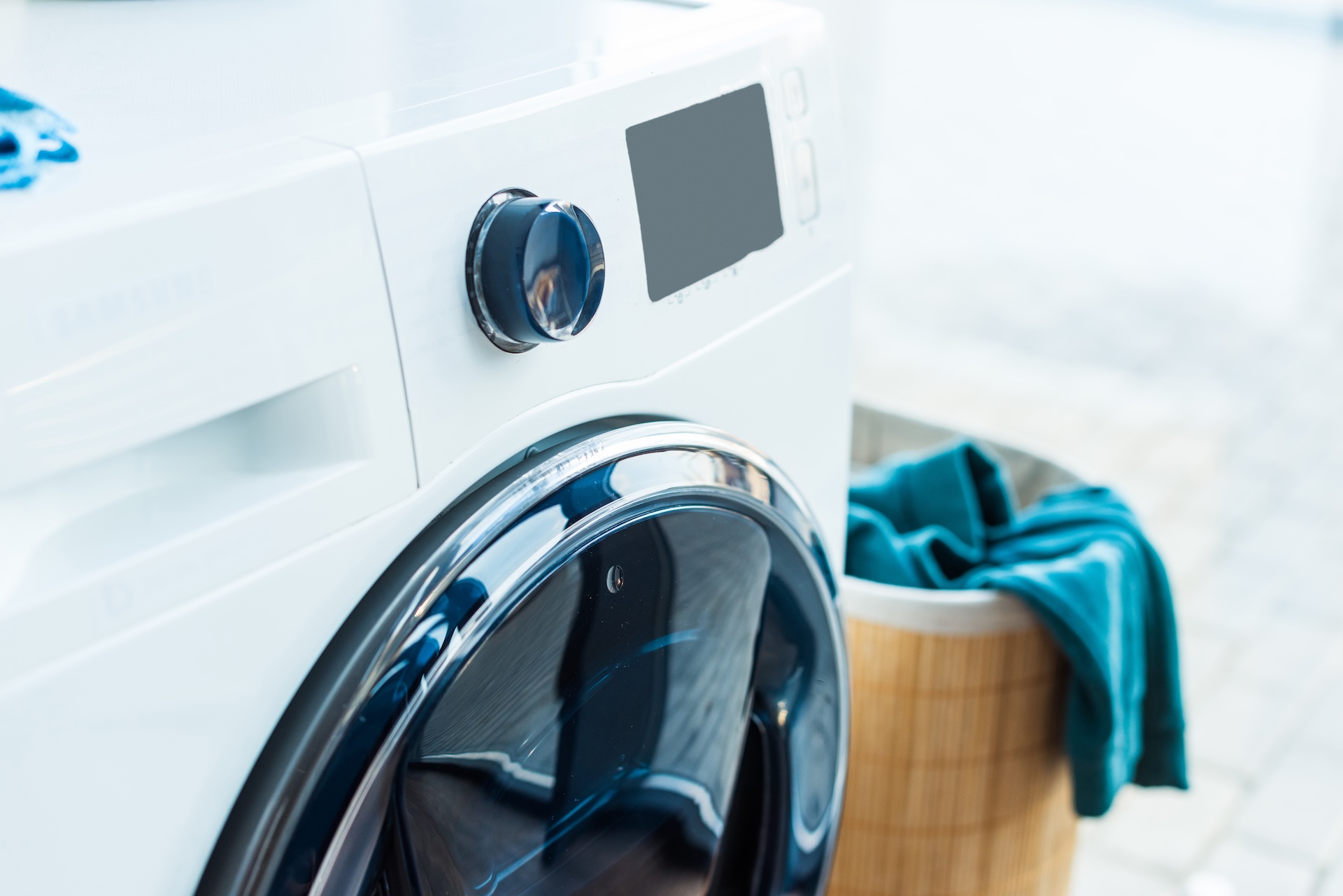
Washing machines are one of the leading causes of appliance water leaks due to their frequent use. Over time, rubber hoses can crack, bulge, or loosen at connection points. Drain hose clogs or internal pump issues can also cause water to back up and overflow onto the floor.

Refrigerators
Washing machines are one of the leading causes of appliance water leaks due to their frequent use. Over time, rubber hoses can crack, bulge, or loosen at connection points. Drain hose clogs or internal pump issues can also cause water to back up and overflow onto the floor.
Air Conditioners
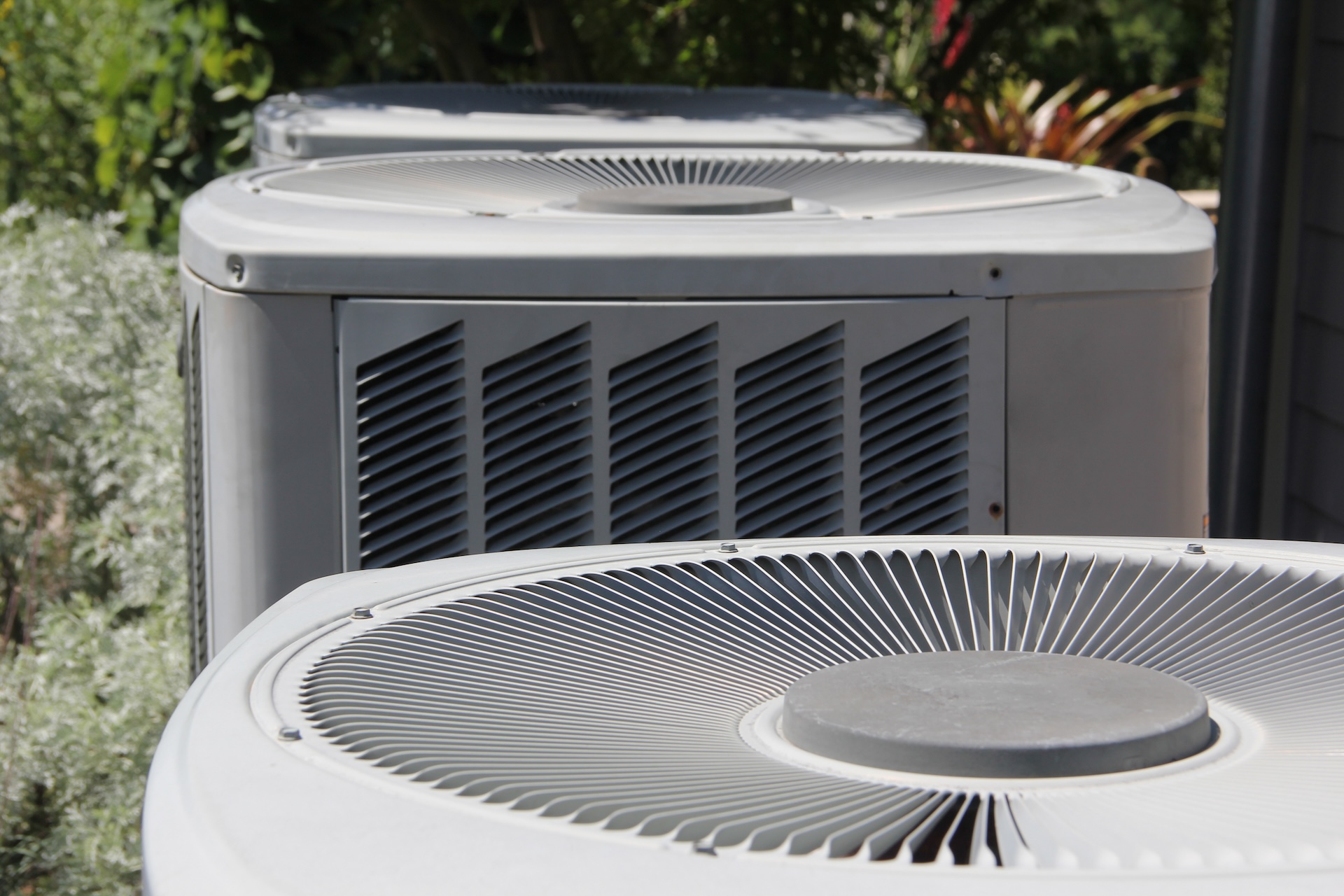
Air conditioners produce condensation, which is typically drained away through a dedicated line. When this drain line becomes clogged or disconnected, water can overflow and leak into surrounding areas. Improper installation or lack of routine maintenance can increase the risk of these leaks.
Water Heaters
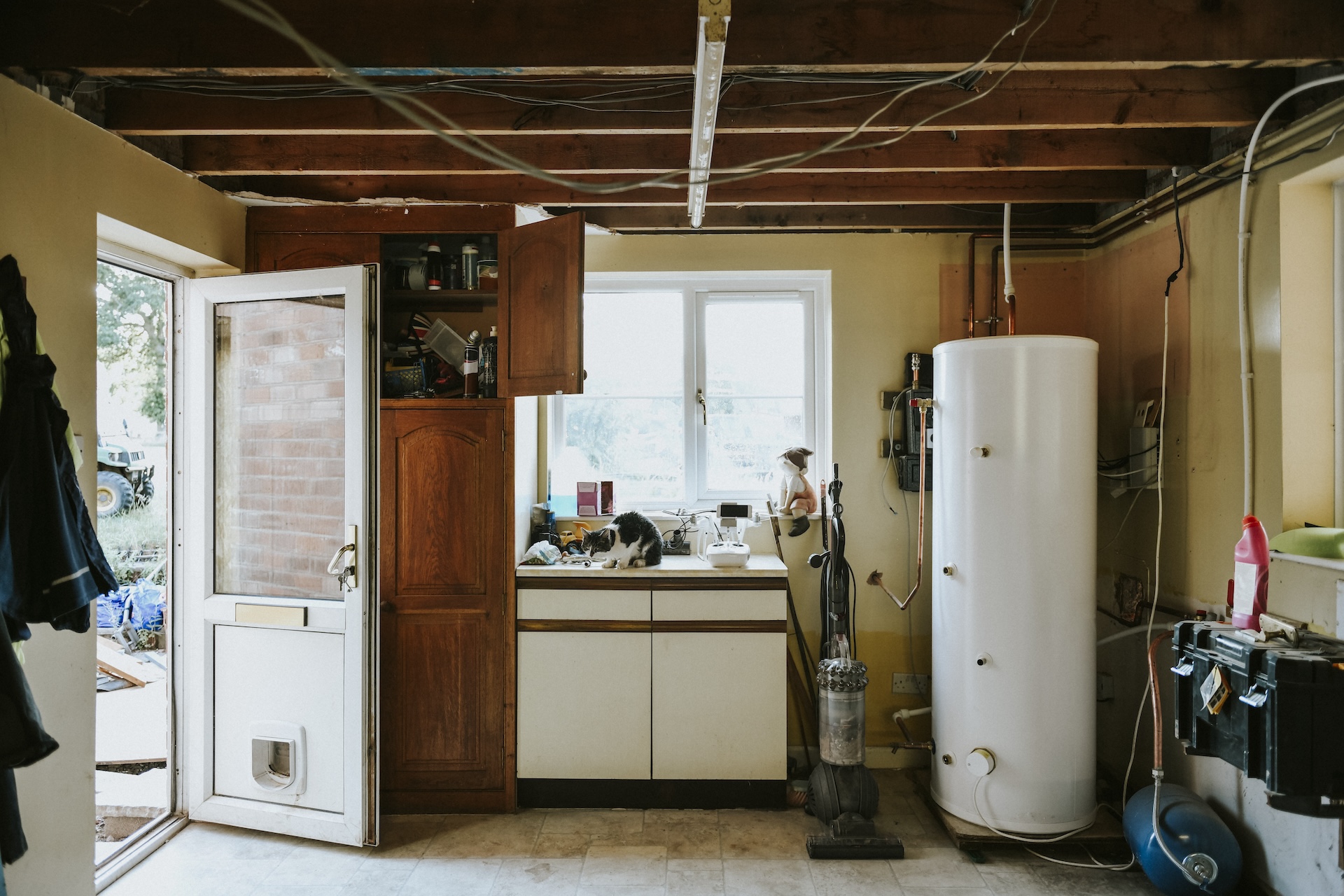
Water heaters can leak due to corrosion, faulty pressure relief valves, loose connections, or sediment buildup inside the tank. Because water heaters often hold large volumes of water, a failure can result in significant flooding in a short amount of time.
Dishwashers
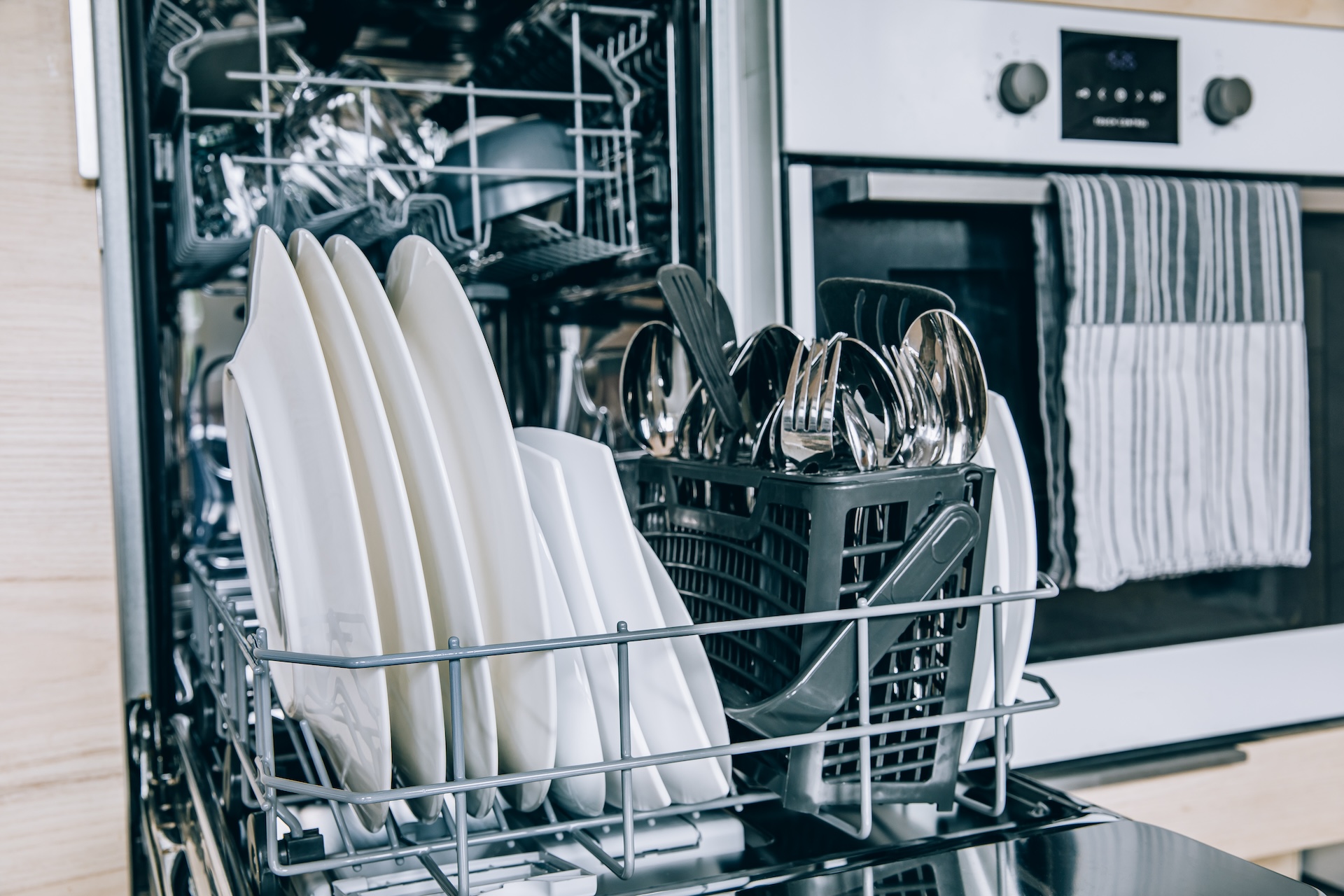
Dishwashers rely on multiple hoses, seals, and internal components to function properly. A worn door gasket, loose drain hose, or damaged inlet valve can allow water to escape during or after a wash cycle. Because dishwashers are typically installed under countertops, leaks can spread into cabinets and the subfloor.
Signs of an Appliance Water Leak in Your Home
Appliance water leaks aren’t always easy to spot, especially when they develop slowly or hide behind large appliances. Catching them early can help you stop water from spreading into walls, flooring, or structural materials.
Use these appliance leak detection methods to protect your home:
Visible Signs of an Appliance Leak
Some appliance leaks leave clear evidence behind. If you notice any of the following signs, it’s important to investigate further before the damage worsens.
Pools of Water and Moisture Near Appliances
Standing water or damp areas may point to a leaking hose, valve, or drain line.
Warped Flooring or Baseboards
Swelling or buckling flooring, or baseboards pulling away from walls.
Stained Walls and Cabinets
Water stains, discoloration, or bubbling paint on nearby walls or cabinets.
Rust or Corrosion on Fittings
Visible rust on supply lines, connectors, or appliance components.
Musty Odors or Visible Mold
A persistent musty smell or visible mold growth.
Other Clues To Detect an Appliance Water Leak
Leaks may not leave visible damage right away. In many cases, homeowners first notice subtle changes that suggest something is wrong, such as:
Unexplained Rise in Utility Bills
If you notice a sudden spike in your water bill, it could point to a hidden appliance leak that is wasting water.
Sounds of Dripping or Running Water
Hearing dripping or running water when appliances are off might mean there’s a leak behind the walls or under the flooring.
Fluctuations in Appliance Performance
Appliances that struggle to fill, drain, or operate properly may have internal leaks or failing components.
How To Prevent Appliance Water Leaks
Many water leaks happen because parts wear out over time, maintenance gets overlooked, or small issues go unnoticed until they escalate.
Take these preventative steps to reduce the risk of water leaks:
Perform Regular Inspections
Check hoses, valves, seals, and fittings every 6–12 months. Look for cracks, bulges, corrosion, or loose connections, especially on appliances that use water daily. Catching issues early can stop leaks before they start.
Replace Hoses Proactively
Swap out hoses every few years to prevent sudden leaks. Braided stainless steel hoses are a stronger, longer-lasting option than rubber.
Keep Drain Lines Clear
Clogged drain lines are a common cause of leaks in washing machines, dishwashers, and air conditioners. Keeping drains clear prevents backups and overflows.
Install Leak Detection Devices
Smart water sensors can alert you to moisture before damage becomes visible. Automatic shutoff valves can even stop water flow when a leak is detected. These tools add extra protection, especially in hidden areas.
Schedule Professional Maintenance
Routine professional maintenance helps identify and repair early warning signs before they turn into costly water damage from appliance leaks.
On-Site Specialty Cleaning + Restoration is a trusted provider of professional appliance leak cleanup in the Detroit Metro area.
What To Do If You Discover a Leak
Finding an appliance leak can be stressful, but taking the right steps will prevent further harm and protect your home and belongings.
Here’s what to do if you discover a leak in your home:
1. Shut Off the Water Supply Immediately
Stop the flow of water to prevent more damage.
2. Turn Off the Affected Appliance
Power down the appliance to avoid electrical hazards and further harm.
3. Clean Up Visible Water
Remove standing water and dry surfaces as soon as possible to prevent moisture from soaking into floors and walls.
4. Document the Damage for Insurance
Take photos to support any insurance claims and document the full extent of the leak.
5. Contact a Water Damage Professional
Professional water damage restoration ensures safe and thorough drying, cleanup, and repairs.
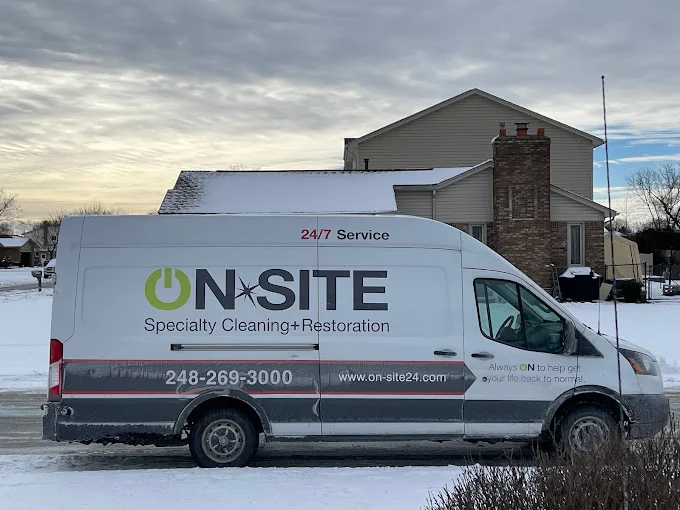
Protect Your Home from Appliance Water Leaks With On-Site
Finding an appliance water leak can be unsettling, but you don’t have to handle it alone. Without the right tools and experience, moisture can quickly spread into hidden areas like walls or flooring. While DIY fixes may help in the short term, a professional inspection ensures the leak is fully resolved and helps protect your home from future damage.
On-Site Specialty Cleaning + Restoration provides trusted appliance leak cleanup and water damage services throughout Metro Detroit. Our experienced team uses professional tools and proven methods to restore affected areas with care and give you peace of mind.