In the aftermath of a water, fire, or mold disaster, the pressing question many homeowners face is whether to tackle the restoration themselves or enlist professional help. The decision between DIY restoration and hiring professionals isn’t just about cost; it’s about ensuring safety, quality, and long-term sustainability in your home.
This blog post delves into both options, comparing their benefits and challenges, to help you make the best decision. We will also offer strategies for cost-effective choices without compromising quality to protect your investment.
DIY Restoration: An Exciting Challenge or a Risky Gamble?
Do-it-yourself (DIY) restoration can be an appealing option for homeowners looking to save money while taking control of their home repairs. With countless tutorials available online, it’s easier than ever to believe that you can tackle any problem with minimal help.
However, when dealing with intricate issues such as water damage, fire residue, or mold spores, it’s important to understand the complexities involved.
Challenges of DIY Restoration
Unfortunately, DIY restoration can bring its own set of challenges. Without the proper expertise or equipment, small mistakes can escalate the damage and increase costs substantially.
Potential Pitfalls Include:
- Inadequate Equipment: Professional-grade tools are often required for effective cleanup.
- Lack of Expertise: Incomplete knowledge can lead to future structural issues or health risks, especially with mold.
- Time Consumption: Restoration projects can take significantly longer without professional knowledge and expertise.
Real-World Example from Warren, M I:
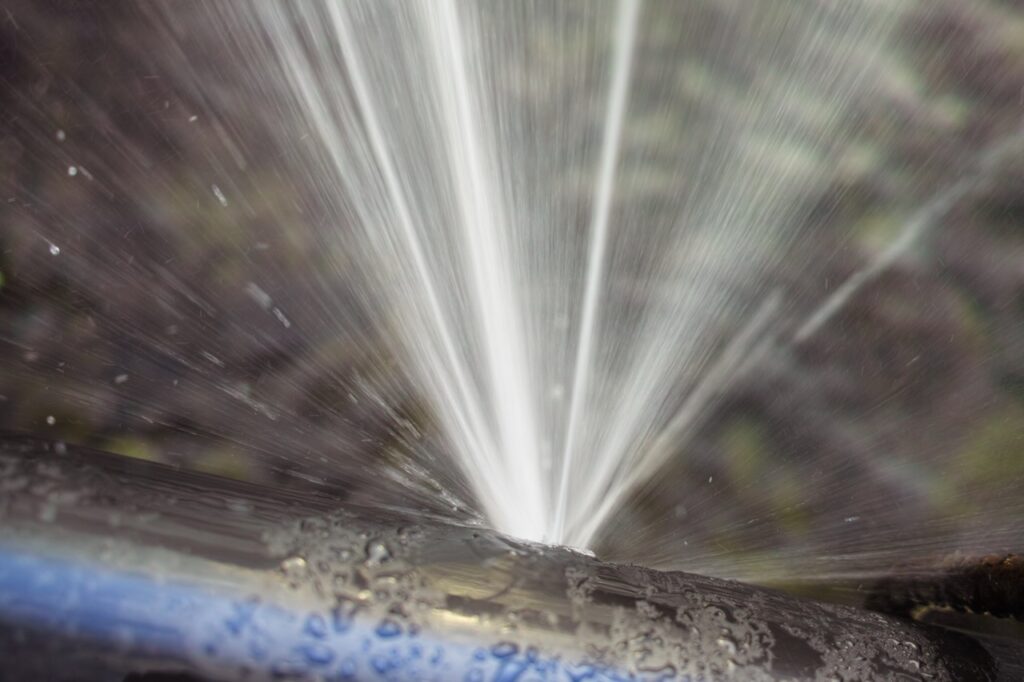
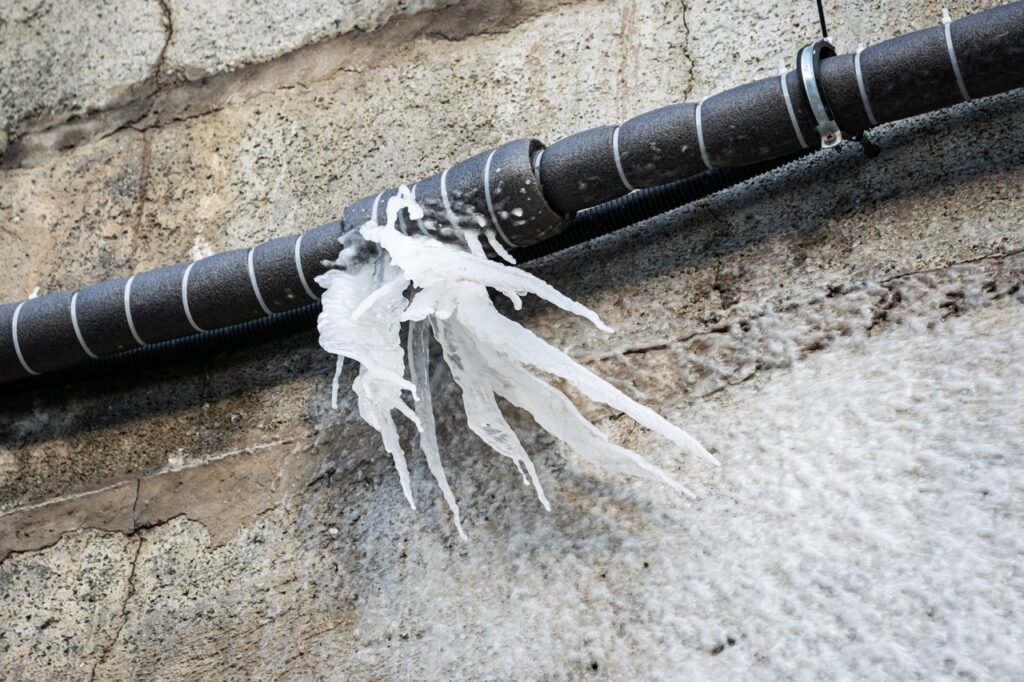
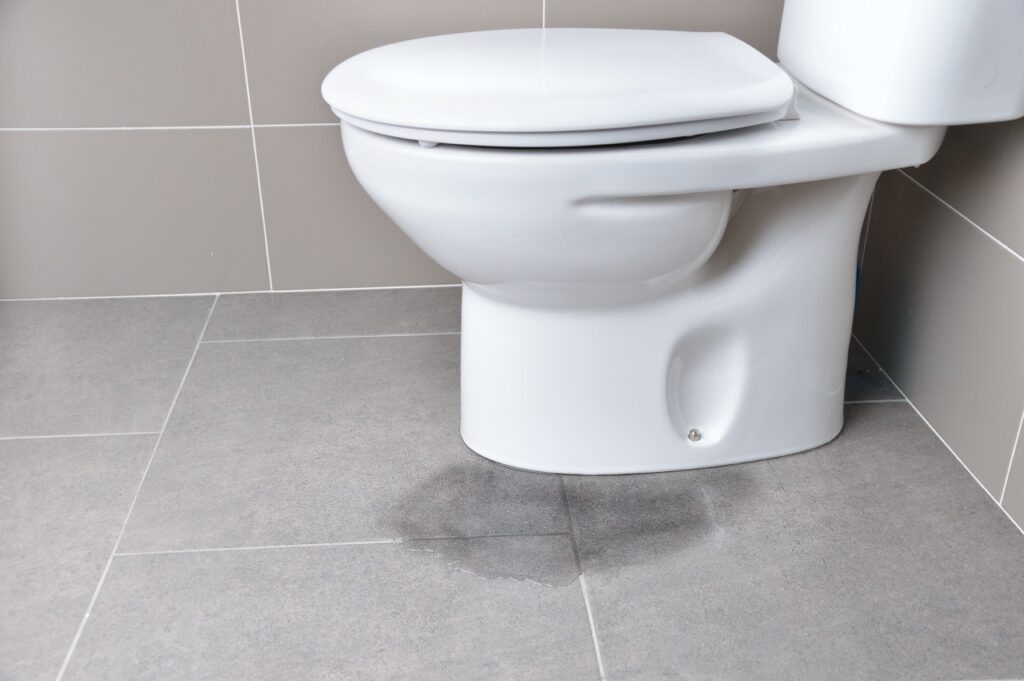
In June 2023, a family attempted a DIY approach to resolve severe water damage caused by a burst pipe. They missed crucial steps in moisture removal and drying, leading to mold spread and structural damage within weeks. The final repair cost tripled when professionals were eventually hired to rectify the situation.
Professional Restoration: The Assurance of Expertise
Professional restoration services bring the advantage of experience and specialized tools to handle severe damages effectively. Companies such as On-Site Specialty Cleaning + Restoration are equipped with industry-leading technology and certified professionals to restore your property to its original state.
Advantages of Professional Restoration:
- Comprehensive Assessment: Professionals thoroughly evaluate and plan repairs.
- Time Efficiency: Quick response times and organized processes minimize disruption.
- Insurance Assistance: Companies can help navigate insurance claims smoothly.
Ensuring Long-Term Home Quality
Investing in professional restoration not only ensures immediate repair but also protects the integrity of your home. This proactive approach helps prevent future incidents, saving time and money in the long run.
Real-World Example from Warren, MI:
In March 2022, a professional restoration for a fire-damaged home involved comprehensive smoke remediation, structural repairs, and air quality improvement that averted possible health issues and long-term substantial costs.
Making the Right Choice: Factors to Consider
When deciding between DIY and professional restoration, consider the following:
- The Extent of Damage: Severe damage often requires professional intervention.
- Safety Considerations: Mold and chemical residues pose health risks that need specialized handling.
- Budgeting for Repairs: Analyze short-term costs versus long-term benefits.
Practical Steps and Tips for Restoration
Regardless of your choice, here are actionable steps to begin any restoration process:
- Initial Assessment: Decide if the situation aligns with your skills or requires professionals.
- Seek Multiple Quotes: For professional help, compare costs and services to ensure they align with your budget.
- Consult Experts: Use online resources or industry experts for guidance on DIY efforts or seeking professional help.
Conclusion
The choice between DIY and professional restoration depends on several factors, including the extent of the damage, personal abilities, and the ultimate goal of the project.
While DIY can offer cost savings and personal satisfaction, the assurance and expertise that comes with professional services like those offered by On-Site Specialty Cleaning + Restoration may prove invaluable.
Explore On-Site Specialty Cleaning + Restoration’s services to find tailored solutions for your home restoration needs or contact us today for a consultation.
Frequently Asked Questions
Are lithium batteries safe?
Yes, lithium batteries are generally safe when used, stored, and charged properly. They are widely used in smartphones, laptops, electric vehicles, and more because they are lightweight and store a lot of energy.
However, they can become dangerous under certain conditions:
- Overcharging or using the wrong charger
- Exposure to heat or direct sunlight
- Physical damage (like punctures or crushing)
- Manufacturing defects
- Poor-quality or counterfeit batteries
If something goes wrong, a lithium battery can overheat, catch fire, or even explode — this is known as thermal runaway.
Can a battery start a fire?
Yes, a battery can start a fire under certain conditions. This typically happens when:
- Short Circuiting: If the battery terminals are connected directly (e.g., by metal), it can cause a short circuit, generating heat that may ignite nearby materials.
- Overcharging: Charging a battery beyond its capacity, especially lithium-ion batteries, can cause overheating and thermal runaway, leading to fire.
- Physical Damage: Puncturing, crushing, or damaging a battery can release internal chemicals and cause a fire or explosion.
- Exposure to High Heat: Placing a battery near a heat source or in direct sunlight for long periods can increase the risk of fire.
- Manufacturing Defects: Faulty batteries may have internal issues that can lead to spontaneous ignition.
This is particularly a concern with lithium-ion batteries found in phones, laptops, and e-bikes.
Can fire damage restoration services help eliminate smoke odors from my property?
Yes, fire damage restoration services are designed to address smoke odors and eliminate them from your property. Our team at On-Site utilizes advanced techniques such as thermal fogging, ozone treatment, and air scrubbing to effectively neutralize smoke odors and improve indoor air quality. Additionally, we may recommend specialized cleaning methods and treatments to remove smoke residue from surfaces and materials, ensuring a thorough restoration of your property.
Can I remove smoke odor myself?
While DIY methods may provide temporary relief, professional smoke odor removal is recommended for thorough and long-lasting results.
Can lithium batteries catch fire when not in use?
Yes, lithium batteries can catch fire even when not in use, although it is rare. This usually happens due to internal faults or environmental factors.
Do lithium batteries only catch fire when charging?
No, lithium batteries do not only catch fire when charging. While charging is a common time for fires to occur—especially if overcharging, overheating, or using a faulty charger— fires can also happen during use, storage, or even when the battery is idle.