
Dryers may seem like a harmless household appliance. However, lint buildup and poor maintenance can pose more risks than people might think. According to the National Fire Protection Association, failure to clean dryers is one of the leading causes of household fires.
This guide covers essential dryer safety tips, including common causes of dryer fires and warning signs to watch for so you can protect your home.
The Causes of Dryer Fires
A dryer fire typically occurs from overheating caused by poor maintenance, improper installation, or mechanical failures.
The most common causes of dryer fires include:
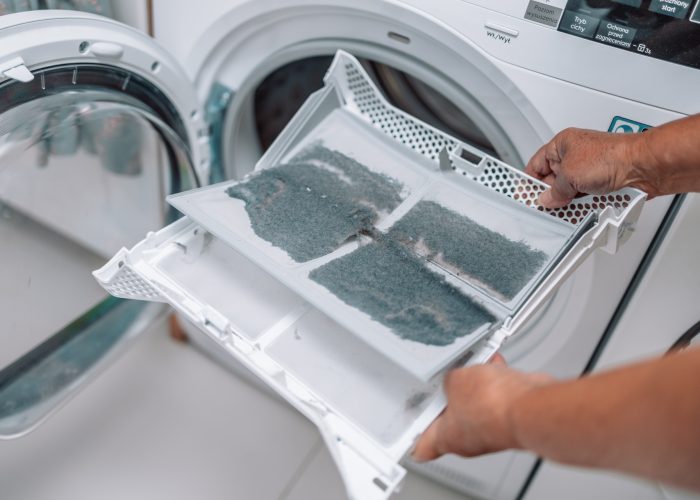
Lint Buildup
Lint is one of the most serious fire hazards in a dryer. When lint builds up in the trap or inside the machine, it blocks airflow and traps heat, causing the fibers to ignite. Lint is highly flammable and can accumulate beyond the lint trap, making it even more dangerous.
Removing lint after each cycle and cleaning the dryer regularly significantly reduces this risk.
Blocked or Improper Venting
Clogged vents restrict airflow, causing the dryer to work harder and overheat. This can happen due to lint buildup, bird or rodent nests, or other debris. Crushed or kinked vent lines and poorly installed vents can also restrict airflow and cause heat to build up.
Regular cleaning and prompt repairs are the best ways to keep your dryer running safely and efficiently.
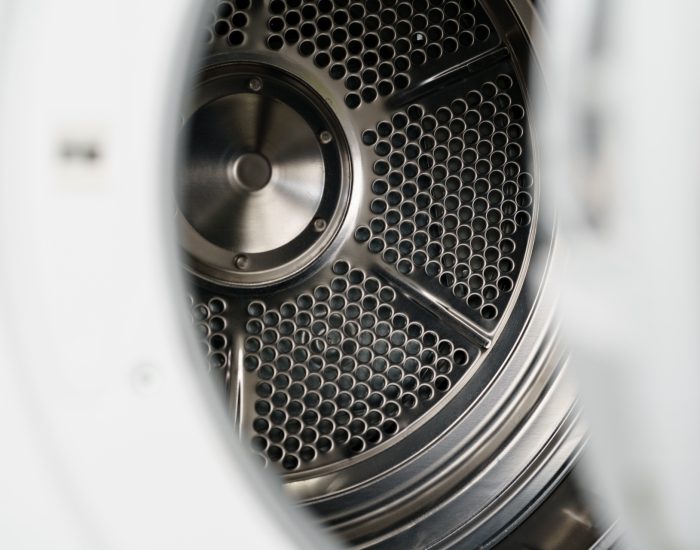
Mechanical or Electrical Failures
Mechanical and electrical failures are another significant cause of dryer fires. Overheating motors, faulty thermostats, heating elements, or wiring can all overheat and spark a fire.
Routine inspections and professional maintenance help reduce the chance of internal failures that lead to ignition.
Improper Dryer Use
How you use your dryer also affects fire risk. Overloading blocks airflow and causes the machine to overheat, while heavy loads strain the motor and heating system.
Drying items that shouldn’t go in the dryer is especially dangerous. Rags or clothing soiled with oils, gasoline, solvents, or certain cleaning chemicals can ignite when exposed to heat.
Use your dryer properly and follow care labels to keep your home safe.
Common Warning Signs of a Dryer Fire Risk
Dryer fires often show warning signs before they happen. Recognizing these early indicators can help you address a problem before it turns into a dangerous situation. If your dryer begins acting differently or showing signs of overheating, it is important to stop using it and investigate the cause.
Here’s what to look for:
Clothes Taking Longer to Dry
If your clothes require more than one cycle to dry, your dryer might have restricted airflow. A clogged vent or lint buildup can prevent hot air from escaping, reducing efficiency and increasing internal temperatures.
Burning or Overheating Smells
A burning smell during or after a drying cycle is a serious warning sign. This odor may come from lint or debris trapped inside the dryer or vent system that is getting too hot or beginning to smolder.
Excessive Heat on the Dryer Exterior
If the outside of your dryer feels unusually hot to the touch, it may not be venting properly. Poor ventilation causes heat to build up inside the machine, increasing the risk of ignition.
Visible Lint Buildup
Seeing lint collecting inside the dryer, around the lint trap, or near the exterior vent opening is a sign that airflow may be restricted. Excessive lint buildup raises the risk of overheating and should be addressed promptly.
Dryer Shutting Off Unexpectedly
Many dryers are designed to shut off automatically when they overheat. If your dryer stops mid-cycle regularly, it may be overheating due to blocked airflow or internal mechanical issues.
How To Prevent Dryer Fires
Prevention is the best protection against a dryer fire. Safe use and regular maintenance help control heat, airflow, and flammable materials.
These simple dryer safety tips significantly reduce your risk.
1. Immediately Call 911
Call 911 right away if you suspect a dryer fire. Fire can spread rapidly through walls, vents, and nearby materials, even if flames look small at first. Emergency responders are trained to handle electrical and appliance-related fires safely and quickly.
2. Assess the Situation and Take Action Accordingly
If the fire is severe, evacuate your home immediately and move to a safe location. If you can do so safely before leaving, close the nearest door to slow the spread of fire and smoke. Never open the dryer door, as introducing oxygen can cause flames to grow.
If the fire remains small and contained, and you can safely access a Class C fire extinguisher, you may attempt to put it out. Even after using an extinguisher, evacuate the home and wait for emergency responders to assess the situation.
3. After the Fire
After the fire department confirms the area is safe, contact your insurance provider to start the claims process. Fire damage often extends beyond what you can see, including smoke damage, structural concerns, and compromised electrical systems. Professional fire damage services ensure your home is safe to reoccupy.
Dryer Fire Damage and Restoration
A dryer fire is a frightening and dangerous event. Prevention is crucial, and knowing the warning signs can help you avoid damage and stay safe. Regular maintenance, proper venting, and safe dryer use all reduce fire risk.
If a dryer fire does occur, On-Site Specialty Cleaning + Restoration offers fire damage restoration services, including contents restoration, to help homeowners return to their property safely and efficiently.
With the right response, homeowners can move forward with confidence and regain peace of mind after fire damage.


