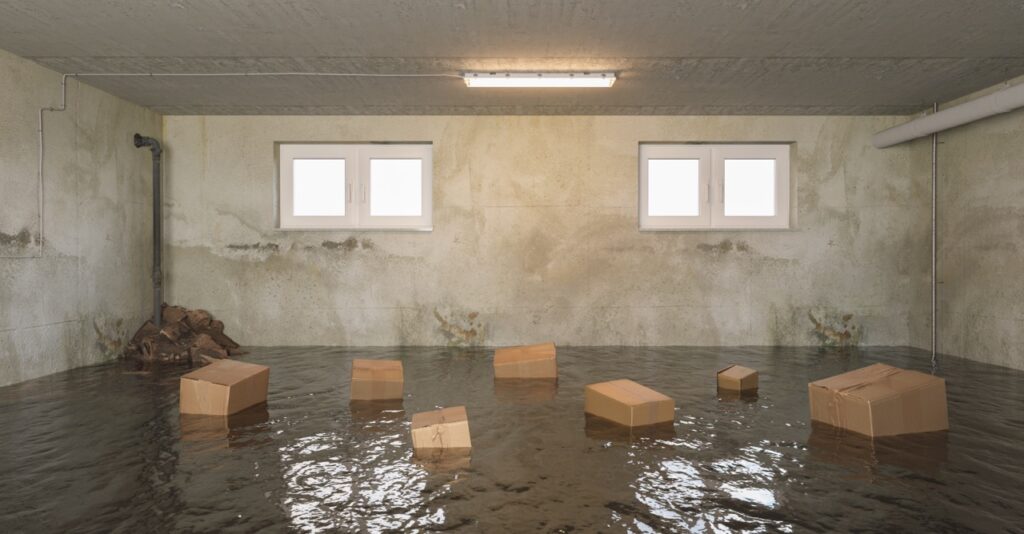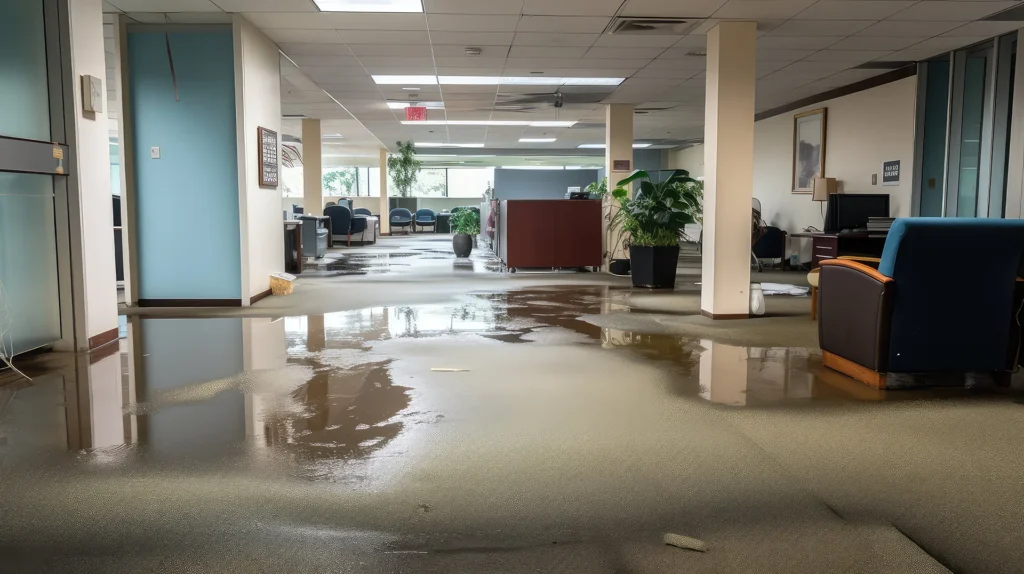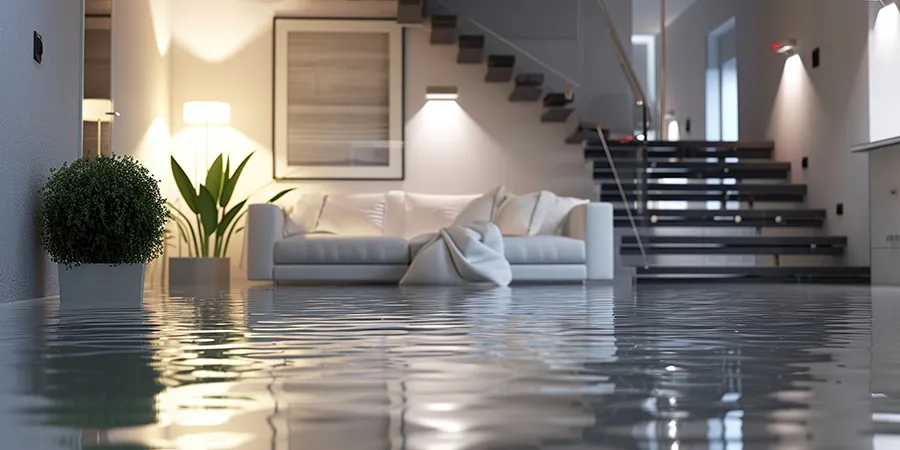
As if the cold temperatures and miserable weather weren’t enough, when it comes to winter, one thing no one wants to have to deal with is their pipes freezing and bursting. Water damage from burst pipes is not only stressful to deal with, but it can also create new risks and dangers in your home.
Water Damage Cleanup in Sterling Heights
Here are some steps that our experts at On-Site Specialty Cleaning + Restoration recommend for you to take to help prevent your pipes from freezing.
1. Insulate Your Pipes
If your pipes are exposed, they are more susceptible to freezing. One of the best things you can do is make sure that your pipes are insulated, so they stay warmer, especially in areas of your house that are not heated otherwise, such as crawlspaces, attics, and garages. Even just duct-taping insulated pipe wrap can make all the difference in making certain that your pipes do not freeze as the temperature outside drops.
2. Open Cabinet Doors
Pipes that are uninsulated under sinks and attached to appliances that are along the exterior walls of your home pose more of a risk of freezing in the winter months. By opening up your cabinet doors that contain these pipes, you allow more of your home’s heat to reach them and keep them from getting too cold.
3. Disconnect Hoses And Secure Outdoor Valves And Faucets
Preventative measures before the winter hits are crucial in ensuring your home’s pipes stay safe. Making sure any hoses attached to the outside valves are disconnected is the first thing to do. If possible, make sure you use an indoor valve to shut off and drain the water from the pipes that lead to your outside faucets. If they are emptied of water, they are less likely to freeze where the pipe connects to the inside of your home.
4. Allow Faucets To Drip Water
Most people try to prevent their faucets from dripping spare water when not in use. However, this is actually an effective way to prevent your pipes from freezing when it is especially cold outside. Allowing your faucets to drip some hot or cold water throughout the night when it is coldest can keep your pipes from getting too frozen while you are not using them. This works best when you use a sink that is on an outside wall.
5. Turn Up Your Thermostat
It may seem obvious, but keeping the interior of your home a little bit warmer also helps keep your pipes warmer during cold weather. If possible, bump up the temperature a little bit to ensure none of your pipes or appliances freeze, especially on days when it is extra cold out.
Conclusion
Winters in Michigan can be incredibly harsh. There is always a risk of pipes freezing and bursting, even when you do everything you can think of to prevent it. If you notice any leaking or damage to a frozen pipeline, the best thing you can do is call professionals such as On-Site Specialty Cleaning + Restoration to fix it for you, clean up any messes that have occurred, and save you from the problem getting any worse.
Frequently Asked Questions
Are lithium batteries safe?
Yes, lithium batteries are generally safe when used, stored, and charged properly. They are widely used in smartphones, laptops, electric vehicles, and more because they are lightweight and store a lot of energy.
However, they can become dangerous under certain conditions:
- Overcharging or using the wrong charger
- Exposure to heat or direct sunlight
- Physical damage (like punctures or crushing)
- Manufacturing defects
- Poor-quality or counterfeit batteries
If something goes wrong, a lithium battery can overheat, catch fire, or even explode — this is known as thermal runaway.
Can a battery start a fire?
Yes, a battery can start a fire under certain conditions. This typically happens when:
- Short Circuiting: If the battery terminals are connected directly (e.g., by metal), it can cause a short circuit, generating heat that may ignite nearby materials.
- Overcharging: Charging a battery beyond its capacity, especially lithium-ion batteries, can cause overheating and thermal runaway, leading to fire.
- Physical Damage: Puncturing, crushing, or damaging a battery can release internal chemicals and cause a fire or explosion.
- Exposure to High Heat: Placing a battery near a heat source or in direct sunlight for long periods can increase the risk of fire.
- Manufacturing Defects: Faulty batteries may have internal issues that can lead to spontaneous ignition.
This is particularly a concern with lithium-ion batteries found in phones, laptops, and e-bikes.
Can fire damage restoration services help eliminate smoke odors from my property?
Yes, fire damage restoration services are designed to address smoke odors and eliminate them from your property. Our team at On-Site utilizes advanced techniques such as thermal fogging, ozone treatment, and air scrubbing to effectively neutralize smoke odors and improve indoor air quality. Additionally, we may recommend specialized cleaning methods and treatments to remove smoke residue from surfaces and materials, ensuring a thorough restoration of your property.
Can I remove smoke odor myself?
While DIY methods may provide temporary relief, professional smoke odor removal is recommended for thorough and long-lasting results.
Can lithium batteries catch fire when not in use?
Yes, lithium batteries can catch fire even when not in use, although it is rare. This usually happens due to internal faults or environmental factors.
Do lithium batteries only catch fire when charging?
No, lithium batteries do not only catch fire when charging. While charging is a common time for fires to occur—especially if overcharging, overheating, or using a faulty charger— fires can also happen during use, storage, or even when the battery is idle.