Why Pipes Freeze & Why Prevention Is Critical
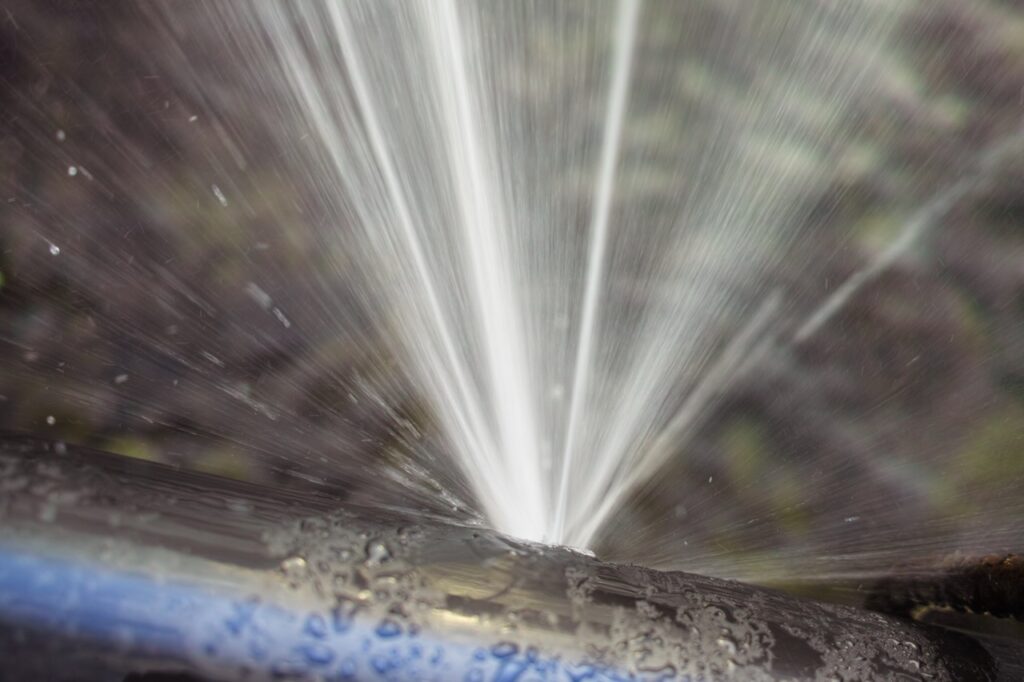
Freezing temperatures put significant stress on your plumbing. When cold water enters the pipes, the extra pressure can cause them to expand, crack, and burst, releasing gallons of water into your home.
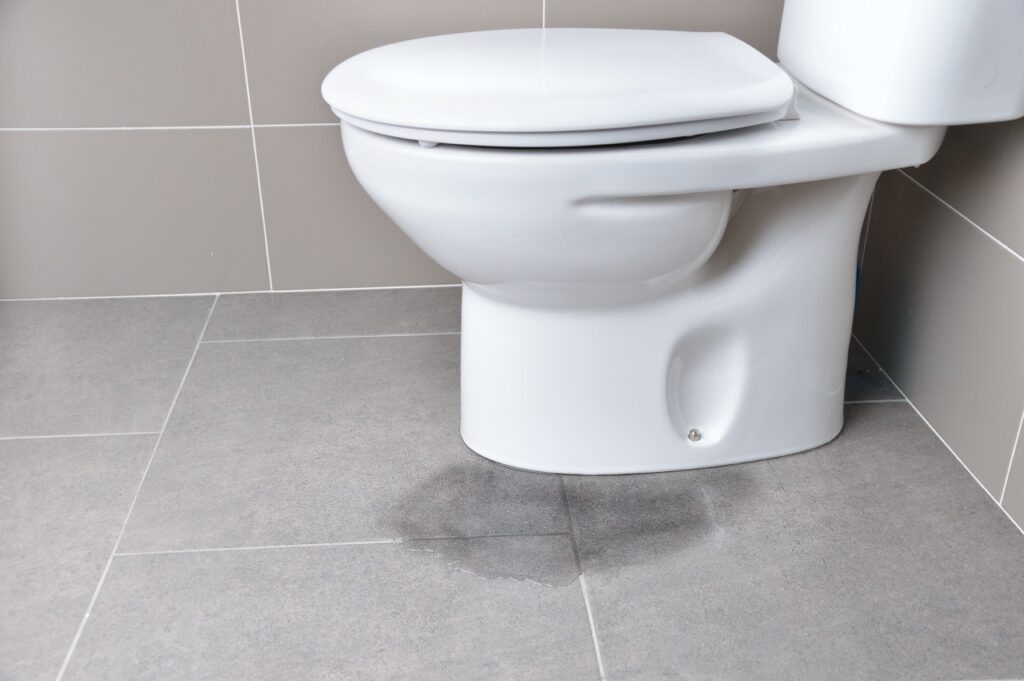
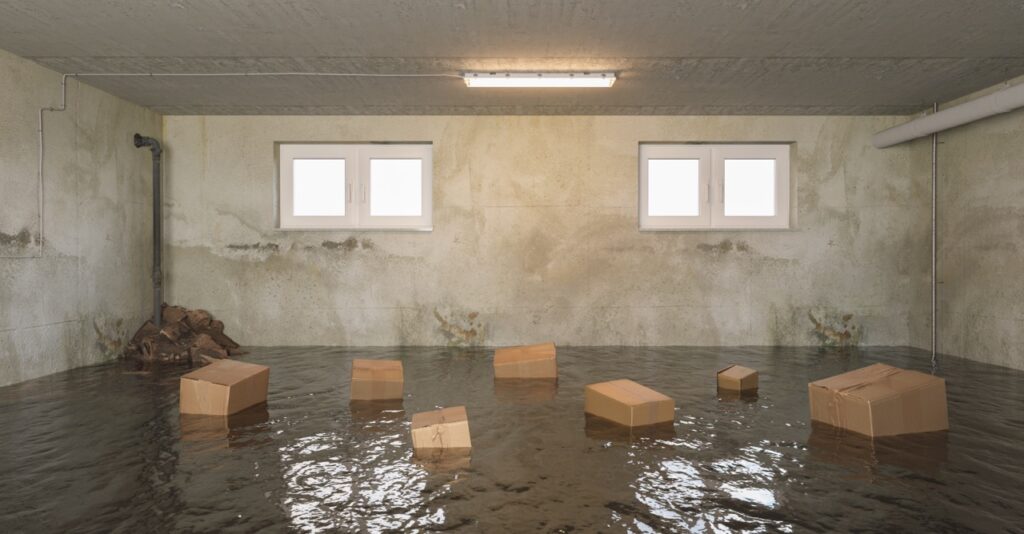
Exterior walls, crawl spaces, attics, garages, basements, and under sinks are the most vulnerable to pipe cracks because they often have little or no insulation. A frozen pipes burst can lead to flooding, structural damage, and mold growth.
Preparing your home before winter hits is far more affordable and less stressful than dealing with sudden water damage. A few small steps now can protect your home and prevent costly frozen pipe repair later.
Immediate Steps To Protect Your Home Before a Freeze
Before freezing temperatures set in, follow these simple steps to prevent a frozen pipe burst:
- Keep your thermostat set to a consistent temperature day and night so plumbing in walls, attics, and crawl spaces stays warm.
- Open cabinet doors under sinks to let warm air reach the pipes inside.
- Let faucets drip slowly to keep water moving and prevent pressure buildup.
- Disconnect garden hoses and shut off outdoor water valves to stop ice from forming in exterior lines.
- Seal drafts around windows, doors, and cracks where cold air can reach plumbing.
How To Identify Pipes Most at Risk
Some pipes freeze faster than others, especially those in unheated or poorly insulated areas. Identifying vulnerable areas helps you focus your prevention efforts where they matter most.
Pipes are at higher risk in:
- Crawl spaces, attics, garages, basements, or utility rooms
- Exterior walls with limited insulation
- Areas exposed to drafts or wind
- Older homes with outdated plumbing or thin insulation
If you notice reduced water flow, frost on pipes, or strange odors, it’s a sign that your pipes may already be freezing. It’s best to take immediate action and call a professional plumber to prevent a frozen pipe burst.
Best DIY Methods To Prevent Freezing
There are several steps you can take to keep your pipes warm and avoid a winter plumbing emergency:
- Add pipe insulation or foam sleeves to exposed plumbing to prevent heat loss.
- Use heat tape or heating cables on high-risk pipes. Just be sure to follow all the manufacturer’s safety instructions.
- Increase insulation in attics, basements, and crawl spaces to help stabilize temperatures.
- Keep garage doors closed during cold snaps to protect any plumbing running through that area.
If it’s too late to be proactive, knowing how to thaw frozen pipes safely is equally important. You can use a hair dryer on low heat or wrap warm, damp towels around the pipe. Avoid open flames or high-heat tools, which can damage plumbing or cause a fire.
Protecting Your Home From Water Damage
Even with sensible preparation, frozen pipes burst unexpectedly when temperatures drop. Knowing how to respond right away can help limit water damage and protect your home.
Make sure you know the location of your main water shut-off valve. Turning it off quickly can stop flooding if a pipe breaks. It’s also helpful to keep the following items nearby during winter:
- Towels
- Buckets
- A wet/dry vacuum
- Fans or space heaters (used safely)
If a pipe does burst, drain your plumbing system, shut off the main supply, and open all faucets to release any remaining pressure.
Once you’ve contained the water, start basic cleanup to reduce the chance of mold or structural issues. Remove standing water, wipe up moisture, and increase airflow to affected areas.
If damage is significant or water has reached walls or flooring, call for professional water damage restoration right away.
When To Call a Professional Plumber
DIY steps can help prevent frozen pipe bursts, but some situations require expert attention. Professional plumbers know how to safely fix frozen pipes and detect hidden plumbing issues.
You should reach out to a plumber if:
- You can’t locate the frozen section of the pipe
- Water pressure drops throughout your entire home
- You notice bulging pipes, leaks, or wet spots on walls or ceilings
- The same area keeps freezing despite added insulation
- You suspect the main water line is affected
If you notice any of the issues above, contact On-Site Specialty Cleaning + Restoration for 24/7 water damage restoration.
Long-Term Prevention & Winterization Tips
Long-term winterization helps you avoid repeat freezing issues and the need for frozen pipe repair each year. A few upgrades and annual maintenance steps can make a big difference.
- Schedule annual maintenance and a plumbing inspection before winter
- Upgrade to insulated or PEX piping in vulnerable areas
- Improve your home’s insulation and air sealing
- Install smart leak detectors or automatic shut-off valves
- Maintain pipes year-round to prevent damage
On-Site Specialty Cleaning + Restoration is proud to serve Northern and Metro Detroit with year-round plumbing maintenance services.
Emergency Frozen Pipe Prevention Checklist (Printable)
Print out this quick checklist and prepare your plumbing system before a freeze.
Step 1: Identify At-Risk Pipes
- Look for plumbing in attics, garages, exterior walls, crawl spaces, and basements.
- Note any areas where pipes have frozen in the past.
Step 2: Apply Insulation or Heat Protection
- Add foam sleeves or pipe insulation.
- Use heat tape or heating cables safely on exposed lines.
Step 3: Keep Water Flowing During Extreme Cold
- Let faucets drip slowly.
- Leave interior doors and cabinets open to circulate heat.
Step 4: Maintain Indoor Temperatures
- Keep the thermostat set to the same temperature day and night.
- Seal drafts around windows, doors, foundations, and pipe openings.
Step 5: Shut Off Water Immediately if a Pipe Bursts
- Locate your main shut-off valve in advance.
- Turn off the water to stop flooding.
- Drain faucets to relieve pressure.
- Begin cleanup quickly and call for professional help if moisture reaches the walls or flooring.
Protect Your Pipes During Winter With Professional Plumbing Services from On-Site
Frozen pipe bursts are one of the most common winter plumbing emergencies. Proper winterization can save you thousands in frozen pipe repairs while protecting your home, your safety, and your peace of mind.
Preparing early ensures your plumbing system is ready for cold temperatures and reduces the risk of sudden leaks. On-Site is here to help with expert residential and commercial water damage restoration to prevent mold growth, structural damage, and long-term issues.
If you’re worried about how to fix frozen pipes or need help winterizing your home, don’t wait—contact On-Site Specialty Cleaning + Restoration for fast, expert service.
Frequently Asked Questions
Does On-Site provide reconstruction services?
No, On-Site specializes in flood damage mitigation and restoration. We work closely with reputable contractors for any necessary reconstruction work.
How can I tell if my water pipes are frozen?
Signs of frozen pipes include reduced water flow or no water at all from faucets, unusual odors from drains, and visible frost on exposed pipes. If you suspect a water pipe freeze, it’s essential to act quickly to prevent bursting.
How long does it take to clean up water damage from a burst pipe?
The time it takes to clean up water damage from a burst pipe depends on various factors, including the extent of the damage and the drying process. Our team at On-Site works efficiently to minimize downtime and restore your property as quickly as possible.
How long does the contents packout process typically take?
The duration of the packout process depends on various factors, such as the extent of the damage and the number of items requiring restoration. We strive to complete the process efficiently while ensuring thorough cleaning and restoration.
How long does the water damage restoration process take?
The duration of the water damage restoration process depends on factors such as the extent of the damage, the type of services required, and the size of the affected area. On-Site’s experienced team works efficiently to restore your property as quickly as possible, minimizing downtime and disruption.
How long does the water extraction process take?
The duration of the water extraction process can vary depending on the extent of the damage and the size of the affected area. In general, our team at On-Site strives to respond promptly to water damage emergencies and initiate extraction and drying processes as quickly as possible. Factors such as the amount of water present, the type of flooring and materials affected, and environmental conditions can all influence the timeline. Rest assured, we work efficiently to restore your property to its pre-damage condition as soon as possible.