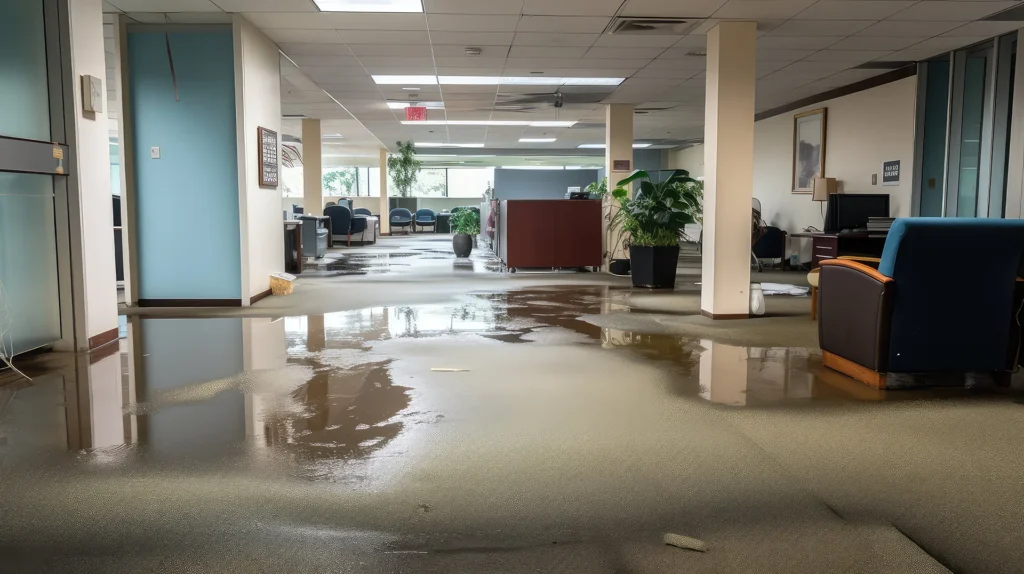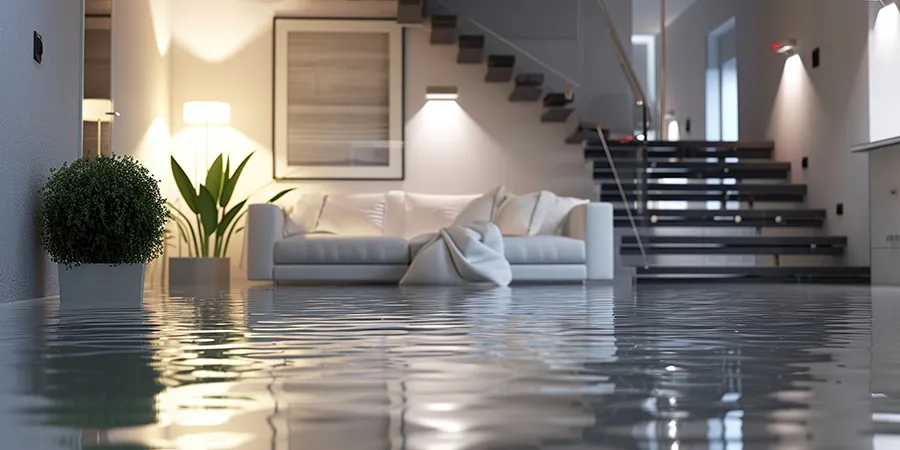
As winter bids adieu in Michigan, the thawing of snow brings with it a subtle yet significant danger to homeowners – water damage caused by melting snow. While the picturesque sight of snow-covered landscapes may evoke feelings of tranquility, the consequences of melting snow on homes can be far from serene. With spring right around the corner, the various ways melting snow can wreak havoc on your residence and why water damage restoration is crucial in mitigating and reversing the harm caused.
Roof Snow Melt and Ice Dams
One of the primary culprits behind snow-induced water damage is the melting of accumulated snow on roofs. As temperatures rise, the snow on your roof begins to melt, creating water runoff. However, this seemingly innocent process can turn detrimental when ice dams form along the eaves. Ice dams act as barriers, preventing melted snow from properly draining off the roof. As a result, water may seep into the nooks and crannies of your roofing structure, infiltrating the attic and eventually making its way down into the living spaces of your home.
Foundation Peril
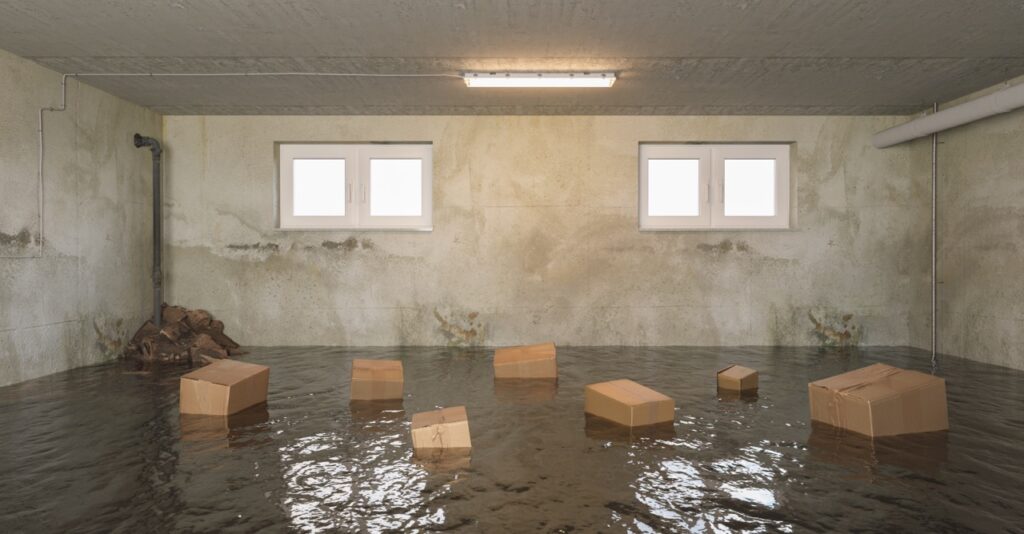
Melting snow can also pose a threat to your home’s foundation. As the snow around your property melts, the water may saturate the soil surrounding the foundation. This increased moisture can lead to foundation cracks, compromising the structural integrity of your home. Over time, these cracks may widen, allowing more water to penetrate and potentially causing basement flooding and water damage.
Siding and Exterior Vulnerability
Exterior walls are not immune to the impact of melting snow. The water runoff from melting snow can find its way into the smallest imperfections in your siding, causing water damage and mold growth. Additionally, if your home has inadequate or damaged siding, the risk of water infiltration is further heightened.
Window and Door Conundrum
Windows and doors can also become entry points for melted snow, especially if there are gaps, cracks, or inadequate seals. As the snow melts, the water may seep through these openings, leading to moisture accumulation, rot, and potential water damage to the surrounding walls and frames.
Why Water Damage Restoration Matters
Prompt water damage restoration is essential in mitigating the harmful effects of melted snow on your home. Here are some reasons why this process is crucial.
Mold Prevention
Excessive moisture resulting from melted snow can create an ideal environment for mold growth. Mold not only damages your home’s structure but also poses health risks to occupants. Water damage restoration involves thorough drying and dehumidification, preventing mold from taking root.
Structural Integrity
Water damage, if left untreated, can compromise the structural integrity of your home. Restoration experts assess and address the damage, ensuring that your home remains safe and stable.
Salvaging Possessions
Water damage can wreak havoc on your personal belongings. Restoration professionals use specialized techniques to salvage and restore items affected by water, minimizing losses.
While the beauty of winter fades away, the potential for water damage lingers with the melting snow. Understanding the various ways your home can be affected by this natural process is the first step in protecting your property. Just remember that water damage restoration is not just a remedy; it is a proactive approach to preserving the sanctity of your home and safeguarding it against the subtle menace of melting snow. So, as the temperatures rise and the snow begins to melt, be vigilant, and if water damage occurs, call the water damage restoration professionals at On-Site Specialty Cleaning + Restoration.
Frequently Asked Questions
Are lithium batteries safe?
Yes, lithium batteries are generally safe when used, stored, and charged properly. They are widely used in smartphones, laptops, electric vehicles, and more because they are lightweight and store a lot of energy.
However, they can become dangerous under certain conditions:
- Overcharging or using the wrong charger
- Exposure to heat or direct sunlight
- Physical damage (like punctures or crushing)
- Manufacturing defects
- Poor-quality or counterfeit batteries
If something goes wrong, a lithium battery can overheat, catch fire, or even explode — this is known as thermal runaway.
Can a battery start a fire?
Yes, a battery can start a fire under certain conditions. This typically happens when:
- Short Circuiting: If the battery terminals are connected directly (e.g., by metal), it can cause a short circuit, generating heat that may ignite nearby materials.
- Overcharging: Charging a battery beyond its capacity, especially lithium-ion batteries, can cause overheating and thermal runaway, leading to fire.
- Physical Damage: Puncturing, crushing, or damaging a battery can release internal chemicals and cause a fire or explosion.
- Exposure to High Heat: Placing a battery near a heat source or in direct sunlight for long periods can increase the risk of fire.
- Manufacturing Defects: Faulty batteries may have internal issues that can lead to spontaneous ignition.
This is particularly a concern with lithium-ion batteries found in phones, laptops, and e-bikes.
Can fire damage restoration services help eliminate smoke odors from my property?
Yes, fire damage restoration services are designed to address smoke odors and eliminate them from your property. Our team at On-Site utilizes advanced techniques such as thermal fogging, ozone treatment, and air scrubbing to effectively neutralize smoke odors and improve indoor air quality. Additionally, we may recommend specialized cleaning methods and treatments to remove smoke residue from surfaces and materials, ensuring a thorough restoration of your property.
Can I remove smoke odor myself?
While DIY methods may provide temporary relief, professional smoke odor removal is recommended for thorough and long-lasting results.
Can lithium batteries catch fire when not in use?
Yes, lithium batteries can catch fire even when not in use, although it is rare. This usually happens due to internal faults or environmental factors.
Do lithium batteries only catch fire when charging?
No, lithium batteries do not only catch fire when charging. While charging is a common time for fires to occur—especially if overcharging, overheating, or using a faulty charger— fires can also happen during use, storage, or even when the battery is idle.