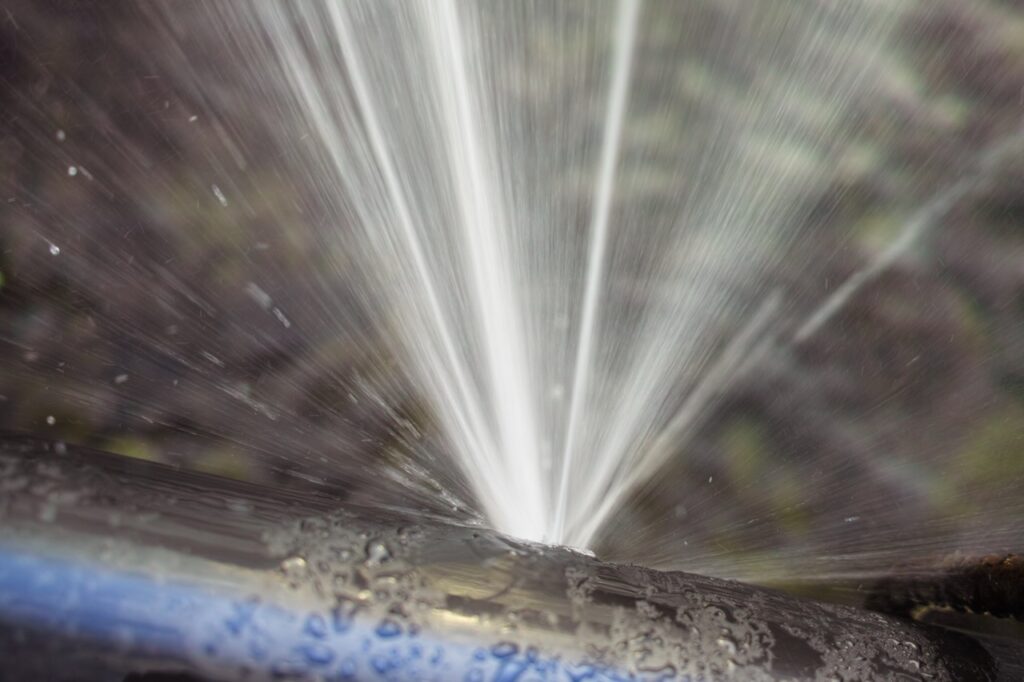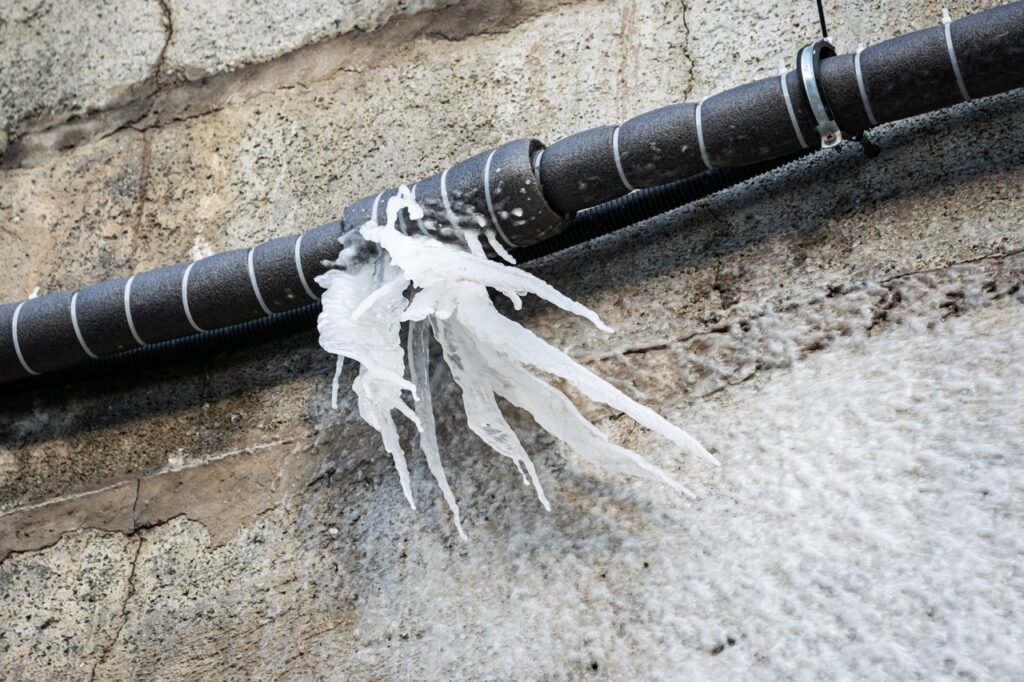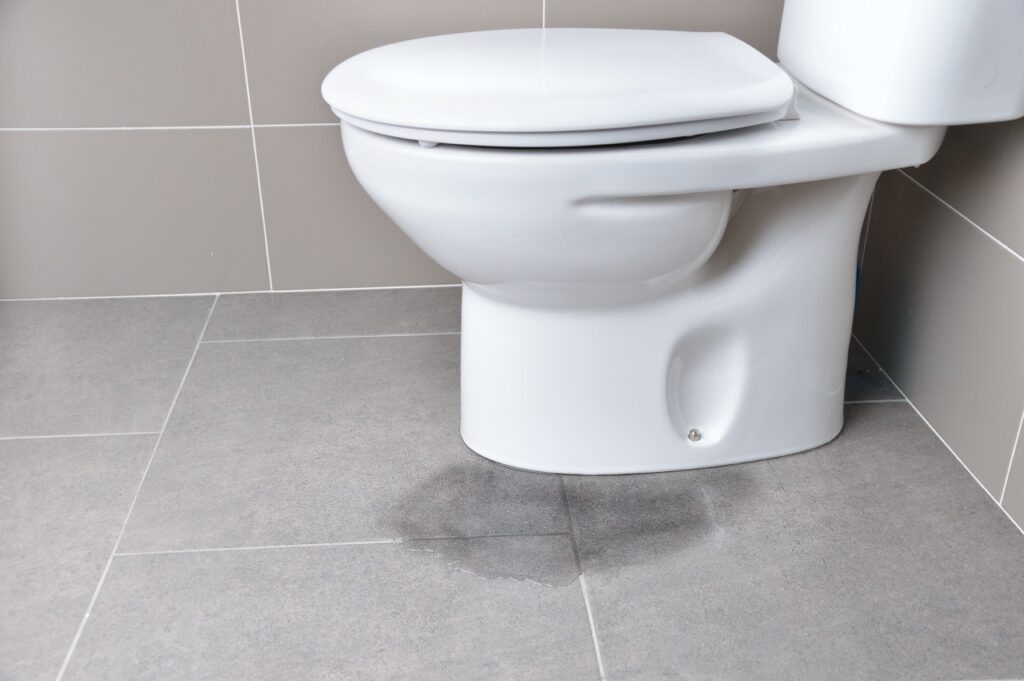
There are many ways for water damage to happen inside the home, such as appliance malfunction, leaky pipes, overflowing bathtubs, etc. There are many ways for water damage to occur from weather as well. These can range from tropical storms, hail, heavy rain, snow, wind, and even just cold weather. Many times, humans fail to acknowledge how harsh the effects of weather can be on a home. From the water damage cleanup experts at On-Site Cleaning + Restoration in Sterling Heights, here are a few things one should be aware of when dealing with water damage cleanup.
Water Damage Cleanup In Sterling Heights
Wind
You must be thinking about how wind can cause water damage. Well, it indirectly causes water damage. High winds can cause tree branches to rub against the roof, causing shingles to dismantle. In addition, trees and other shrubs can puncture the roof and weak spots in the siding. These effects of wind cause the home to be vulnerable to water. A roof patch without shingles or a hole lets the water leak through; therefore, ceilings and walls experience water damage.
Heavy Rain
Large amounts of rain can cause water damage in many different ways. For example, if gutters aren’t properly clear, heavy rain can cause backflow; therefore, the excess water leaks through the roof and into the ceiling. Water is one of the most powerful sources ever. Therefore, rainwater will find cracks in window seals and foundations. Water will leak through them to the home but also make the cracks worse. Lastly, precipitation soaks into the ground. An inadequate foundation or faulty sump pump allows your basement to be at risk for water damage cleanup.
Snow
Similar to heavy rain, snow can cause a variety of water damage and cleanup issues. Snow has many of the same effects as rain, but the cold temperature makes it worse. Cracks in foundations, roofs, and window seals get worse due to cold temperatures; therefore, snow poses many risks. Melting snow has the same effects as rain since it will soak into the ground. The increased water content in the ground forces water into the home. Snow can also cause ice dams in the gutters. If snow doesn’t melt right away or it just sits in the gutters, it causes a dam that blocks the flow of water out of the gutter. This blockage makes it possible for water to soak into the roof, therefore causing water damage.
Cold Temperatures
One of the most common causes of water damage and cleanup costs comes from frozen pipes and busted pipes. Frozen pipes are caused when water is frozen within, causing pressure to increase; consequently, a frozen pipe can lead to a broken/leaky pipe. Any temperature below freezing (32 degrees Fahrenheit) may cause frozen pipes. Secondly, cold temperatures also play a role in ice dams. Undrained water or snow in the gutter can freeze due to cold temperatures; therefore, causing a dam and overflow of water.
Hail
Hail can cause water and structural damage. Obviously, hail is just frozen water, so when it melts, water has the potential to soak into ceilings, windows, and walls. Hail will have some of the same effects as snow and rain. Next, depending on the intensity of the storm, hail can cause a lot of structural damage. However, hail mainly damages the roof. It wears down the shingles and may even cause them to fly off the roof, leaving the roof vulnerable.
Overall, there are many causes of water damage from weather. Whether you know about them or not, it’s important to be aware in order to better protect your home. Water damage cleanup can be an expensive hassle to handle, so start now and protect your home from the weather.
Frequently Asked Questions
Are lithium batteries safe?
Yes, lithium batteries are generally safe when used, stored, and charged properly. They are widely used in smartphones, laptops, electric vehicles, and more because they are lightweight and store a lot of energy.
However, they can become dangerous under certain conditions:
- Overcharging or using the wrong charger
- Exposure to heat or direct sunlight
- Physical damage (like punctures or crushing)
- Manufacturing defects
- Poor-quality or counterfeit batteries
If something goes wrong, a lithium battery can overheat, catch fire, or even explode — this is known as thermal runaway.
Can a battery start a fire?
Yes, a battery can start a fire under certain conditions. This typically happens when:
- Short Circuiting: If the battery terminals are connected directly (e.g., by metal), it can cause a short circuit, generating heat that may ignite nearby materials.
- Overcharging: Charging a battery beyond its capacity, especially lithium-ion batteries, can cause overheating and thermal runaway, leading to fire.
- Physical Damage: Puncturing, crushing, or damaging a battery can release internal chemicals and cause a fire or explosion.
- Exposure to High Heat: Placing a battery near a heat source or in direct sunlight for long periods can increase the risk of fire.
- Manufacturing Defects: Faulty batteries may have internal issues that can lead to spontaneous ignition.
This is particularly a concern with lithium-ion batteries found in phones, laptops, and e-bikes.
Can fire damage restoration services help eliminate smoke odors from my property?
Yes, fire damage restoration services are designed to address smoke odors and eliminate them from your property. Our team at On-Site utilizes advanced techniques such as thermal fogging, ozone treatment, and air scrubbing to effectively neutralize smoke odors and improve indoor air quality. Additionally, we may recommend specialized cleaning methods and treatments to remove smoke residue from surfaces and materials, ensuring a thorough restoration of your property.
Can I remove smoke odor myself?
While DIY methods may provide temporary relief, professional smoke odor removal is recommended for thorough and long-lasting results.
Can lithium batteries catch fire when not in use?
Yes, lithium batteries can catch fire even when not in use, although it is rare. This usually happens due to internal faults or environmental factors.
Do lithium batteries only catch fire when charging?
No, lithium batteries do not only catch fire when charging. While charging is a common time for fires to occur—especially if overcharging, overheating, or using a faulty charger— fires can also happen during use, storage, or even when the battery is idle.