October is the month that the growing season ends across Southeast Michigan, and we need to get ready. While the weather patterns are changing, we homeowners have until October 29th to prepare for the first frost. Take this opportunity to maintain the exterior and even make repairs to avoid water damage when the snow arrives.
Prepare For Winter Weather (Before You Have Water Damage)
- Check for drafts
- Winterize the garden
- Confirm the heater is ready
- Avoid ice dams
- Do what you can to prevent burst pipes
- Contact the professionals
Check For Drafts
Your house loses the most heat during the winter through the cracks around your doors and windows. Maintain the weatherstripping to seal gaps between windows and window frames (and doors and door frames.) Replace worn door sweeps to keep cold air, snow, and ice from entering. Focus extra effort on the large span of the garage entrance.
Winterize The Garden
Pick the day and stick with it. Before the first hard freeze, remove the hoses and store them in the garage or shed. Drain the faucet and install an outdoor faucet cover. While you are working, double-check the hose bib for any damage; the pipes can get knocked around over the summer.
Prepare your sprinkler system per the manufacturer’s and installers’ instructions.
Confirm The Heater Is Ready
Get on the schedule with your HVAC service before winter hits. Make sure your unit is cleaned and working properly. Maybe this is the year to upgrade. Modern, energy-efficient heaters can lower your utility bills significantly. Improved efficiency (and rebates) can justify replacing that old, cumbersome, dirty relic in your basement.
Avoid Ice Dams
Ice dams can form along the gutters when snow and ice melt faster on the rooftop than along the edges. Now the melting flow backs up, builds up, and adds a lot of weight. The pressure from this moisture can cause roof failure and leaks behind the siding.
To prevent an ice dam, you must not let the center of the roof get warmer than the edges. It’s not something that you are going to fix in February; correct problems in your attic now. Use a flashlight and walk through the space. Identify wet, moldy, compressed, or damaged insulation. Keep the heat that you paid for within your home, not seeping out the top.
Do What You Can To Prevent Burst Pipes
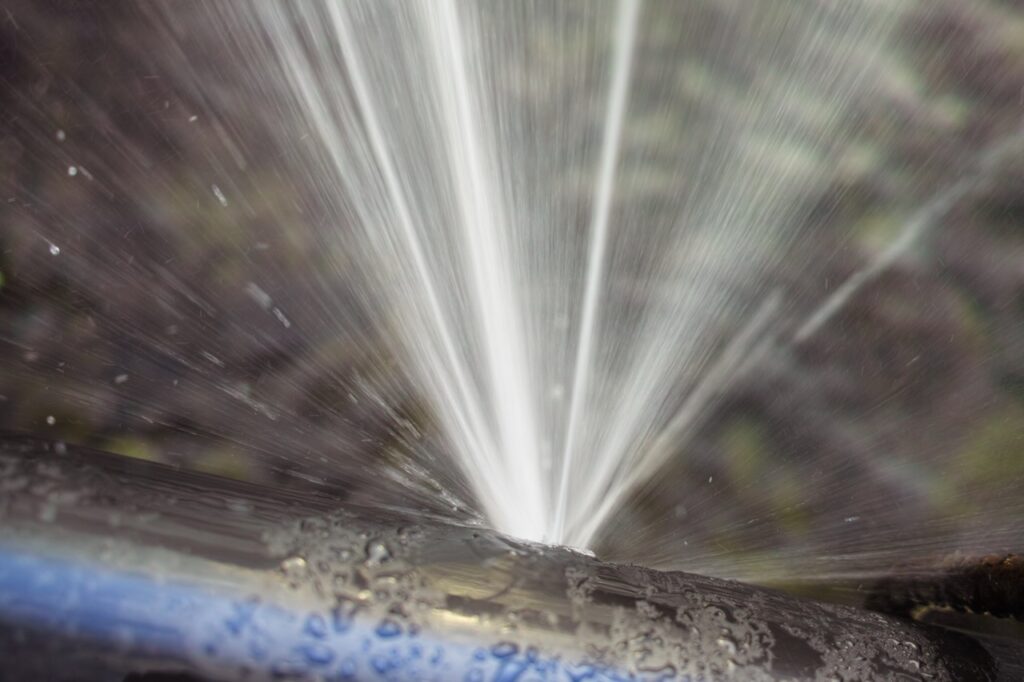
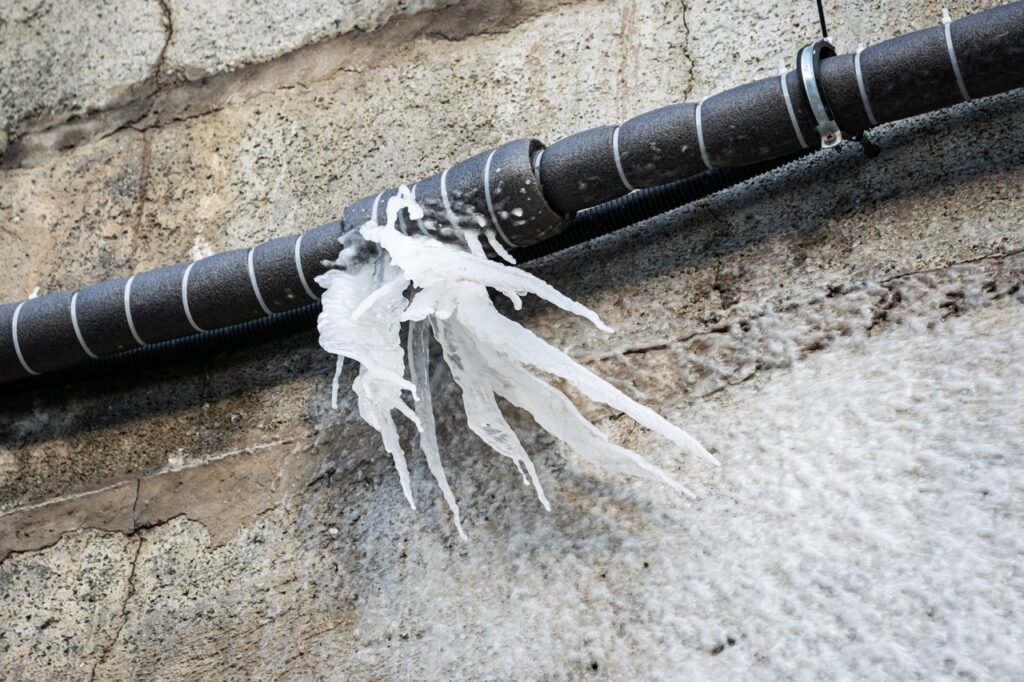
In Troy, there are 132.6 days annually when the nighttime low temperature falls below freezing. All Michigan residents know to plan for the hard freeze. On the coldest days, set your faucets to a slow drip. A little trickle will keep the water from freezing completely in the cold pipes. Open the cabinet doors on the sinks on exterior walls; mixing the warmer air from your interior home will protect you from outside air that leaks in.
And when a cold snap hits, don’t go cheap! Trying to save a few heating dollars can result in thousands of dollars in water damage. Bump up the thermostat a couple of degrees on the coldest days. (Since you prepared and repaired those leaks and drafts, it will all work out.)
Contact The Professionals
When your Michigan home is damaged by winter weather, it is crucial to choose a contractor to help you safely and quickly through the restoration process. All water damage restoration experts are certified by the IICRC and equipped with the most advanced tools and procedures in the water damage restoration industry.
Choose a contractor who is certified, licensed, bonded, and insured. On-Site Specialty Cleaning + Restoration will respond to your service call at your facility for any emergency. Procedures and protocols ensure the prevention of further degradation: mold, structural damage, and biohazardous conditions. Call our team today.
Frequently Asked Questions
Does On-Site provide reconstruction services?
No, On-Site specializes in flood damage mitigation and restoration. We work closely with reputable contractors for any necessary reconstruction work.
How can I tell if my water pipes are frozen?
Signs of frozen pipes include reduced water flow or no water at all from faucets, unusual odors from drains, and visible frost on exposed pipes. If you suspect a water pipe freeze, it’s essential to act quickly to prevent bursting.
How long does it take to clean up water damage from a burst pipe?
The time it takes to clean up water damage from a burst pipe depends on various factors, including the extent of the damage and the drying process. Our team at On-Site works efficiently to minimize downtime and restore your property as quickly as possible.
How long does the contents packout process typically take?
The duration of the packout process depends on various factors, such as the extent of the damage and the number of items requiring restoration. We strive to complete the process efficiently while ensuring thorough cleaning and restoration.
How long does the water damage restoration process take?
The duration of the water damage restoration process depends on factors such as the extent of the damage, the type of services required, and the size of the affected area. On-Site’s experienced team works efficiently to restore your property as quickly as possible, minimizing downtime and disruption.
How long does the water extraction process take?
The duration of the water extraction process can vary depending on the extent of the damage and the size of the affected area. In general, our team at On-Site strives to respond promptly to water damage emergencies and initiate extraction and drying processes as quickly as possible. Factors such as the amount of water present, the type of flooring and materials affected, and environmental conditions can all influence the timeline. Rest assured, we work efficiently to restore your property to its pre-damage condition as soon as possible.