
Lithium battery fire cleanup
A battery fire isn’t ordinary smoke. Don’t clean it like one.
Lithium-ion battery fires leave acidic, toxic, metal-loaded residue on everything in your home, including the things your family touches every day. Before you wipe, wash or throw anything away, talk to the team that handles battery fires every month.
IICRC certified technicians4.8 stars from 300+ Google reviews ↗In business since 2001Michigan, Ohio and Tampa Bay
What happens when you call
1
We answer, day or night
Our team knows battery fires and tells you exactly what to do next.
2
We’re on site fast
Usually within 2 hours in our service areas. We make the room safe and stop the residue from spreading.
3
We test before we clean
An independent industrial hygienist samples the surfaces and the air, so we know exactly what we’re dealing with.
4
We document everything for your insurance company
Every room and every item photographed, a full contents inventory and the test results, so your carrier sees why each step is needed.
5
We test again before you move back in
You get the results in writing.
Why a lithium battery fire is different
20 seconds
from first visible smoke to a gas explosion, in a lab test with an electric scooter battery [1]
20 to 200 mg
of hydrogen fluoride, a highly toxic gas, released for every watt-hour of battery [2]
Days
a damaged lithium battery can reignite hours or even days after the fire [6]
Nearly 50
battery fires a year handled by On-Site Specialty Cleaning + Restoration
It happens in seconds
In tests by UL’s Fire Safety Research Institute, an overcharged electric scooter battery in a closed bedroom went from first visible smoke to a gas explosion in about 20 seconds [1].
The smoke carries different chemicals
Burning lithium-ion batteries release hydrogen fluoride. Lab tests measured 20 to 200 mg of it for every watt-hour of battery energy [2].
The soot carries metals
The residue holds nickel, cobalt and manganese, plus lithium and fluoride compounds [3], in fine and ultrafine particles, the size range often considered most harmful to health [4]. Nickel compounds are classified as known human carcinogens, and cobalt metal and soluble cobalt salts as probable human carcinogens [8]. That’s one more reason to have your home tested, not guessed at.
The residue keeps destroying your belongings, even after the fire is out
Battery fire residue is acidic. In one documented home fire caused by a 20V tool battery, inspectors found pitting on the electrical panel and rusted tools a week later [5]. That is what it does to metal. Think about what it does to the things your kids touch.
No black soot does not mean no danger
After a lithium battery fire, you may not see black soot at all. You might see only a light grey dust, or nothing you’d notice.
Here’s why. The black soot from a normal house fire is mostly carbon from burning wood, foam and plastic. A lithium battery burns differently. Much of what it releases is metal and mineral residue: oxides of nickel, cobalt and manganese, plus lithium and fluoride compounds. Those particles are often light grey or white, and many are fine enough to settle as a thin film you can barely see.
So a room can look almost clean and still be contaminated with toxic metals and acidic residue on the counters, the floors, the toys and the bedding.
Don’t judge it by what you can see. Call On-Site at (800) 993-9345. We’ll have your home tested by an independent industrial hygienist, so you know for certain that you and your family are not living in a toxic environment. Not sure? Call us anyway: coming out to inspect is always free.
Where lithium-ion batteries are in your home
A fire with ordinary household batteries is a smaller problem. Lithium-ion batteries are in more things than most people think:
What to do in the first hours
What you do in the first few hours decides how much of your home and belongings can be saved.
Do
- If the battery or device is still smoking, hissing or hot, get everyone out and call 911 [1][6].
- Once firefighters clear the house, keep the door to that room closed.
- Turn off the heat or air conditioning so the residue isn’t pushed into other rooms.
- Keep children and pets out of the room.
- Take photos of everything before anything is moved.
- Call On-Site at (800) 993-9345 before you clean anything. We’ll tell you what to do next and help you start your insurance claim with the right testing and cleanup included from day one.
Don’t
- Try to put out a battery fire yourself.
- Touch or move the burned battery or device. It can reignite hours or days later.
- Wipe the soot or run a household vacuum over it. A regular vacuum blows the fine metal particles back into the air.
- Wash clothes or bedding from the house, even if they look clean. The residue can be a light grey dust you barely see, and washing can set it into the fabric and spread it through your washer and the rest of your laundry. Let us clean them properly so more of your belongings can be saved.
- Put the burned battery in the trash [6].
What a proper battery fire cleanup should include
Most fire cleanup is written for ordinary smoke. A lithium battery fire needs more. Whoever cleans your home, make sure the plan covers all of this:
✓ Independent testing before and after
Metals wipe samples and air testing by an industrial hygienist who doesn’t work for the cleanup company.
✓ Surface pH checks
Acidic residue has to be neutralized, and pH proves it was.
✓ HEPA vacuuming before any wiping
Wiping first smears metal residue into porous surfaces.
✓ Containment and negative air
So the residue doesn’t travel to clean rooms during the work.
✓ Proper crew protection
Respirators with acid gas cartridges, not just dust masks.
✓ Licensed battery disposal
The burned battery never goes out with regular debris.
✓ Item by item contents decisions
Every belonging photographed and listed before anything is thrown out.
On-Site does every item on this list, on every lithium battery fire job. Keep this list handy when you talk to your insurance company, so the scope covers what your home actually needs.
Questions to ask any cleanup company
- Do you bring in an independent industrial hygienist, and do I get the results?
- Do you test surface pH before and after cleaning?
- How do you handle the burned battery?
- How do you decide which belongings can be saved?
- How many lithium battery fires have you cleaned up this year?
If a company can’t answer these clearly, they’re treating your battery fire like any other smoke job.
How we clean up after a lithium battery fire
We treat battery fire soot as contaminated residue, not ordinary smoke, and we work in this order.
1
Contain the area
Affected rooms are sealed off. HEPA air scrubbers run for the whole job, with negative air in the contained area.
2
HEPA vacuum first
Every surface, before any wiping.
3
Neutralize
The acidic residue is neutralized with an alkaline cleaner.
4
Clean
Walls, ceilings, floors and contents, each with the cleaner suited to that surface.
5
Rinse and clean again
A second pass so nothing is left behind.
6
Test
The industrial hygienist takes metals wipe samples and tests the air. We check surface pH before and after. You get the results.
Protection for our crew
Full-face respirators with P100 and acid gas cartridges, chemical-resistant nitrile gloves and disposable coveralls.
Odor, safely
We use hydroxyl for odor because it is safe in an occupied space. Ozone is used only in an unoccupied structure, if at all.
The battery leaves safely
It is isolated in a metal container filled with sand or vermiculite and removed by a licensed hazardous waste or battery recycling vendor.
Your belongings: what can be saved
Your belongings are where battery fire residue does the most quiet damage, and where the right cleanup saves the most.
Why your belongings need a specialist
The residue settles on everything: kids’ toys, dishes, clothes, bedding, the remote on the couch. These are the things your family touches every day. A quick wipe-down can leave metals behind and spread them around. Contents cleaning has been a core part of On-Site for over 25 years, and battery fire residue is exactly the kind of job our contents team is built for.
How we handle your contents
- Sorted on site. Non-porous items are cleaned. Porous items and electronics are evaluated before anything goes back into your home.
- Every item photographed and listed before any decision, so nothing is thrown out on a guess.
- Pack-out when needed. When residue has spread through the house, we pack out the contents, clean them at our facility and keep them in our secure storage until your home is ready. See how a pack-out works.
- You see the list. You get the full inventory, so you know what was saved, what was not and why.
Usually saved
- Hard-surface items, which usually clean well
- Clothing and bedding outside the fire room, with specialized cleaning
- Electronics elsewhere in the home, checked case by case
Usually a loss
- Upholstery and mattresses in the room where the fire started
- Electronics in the fire room, since the acidic residue corrodes circuit boards
From our jobs
A battery fire we are working on now
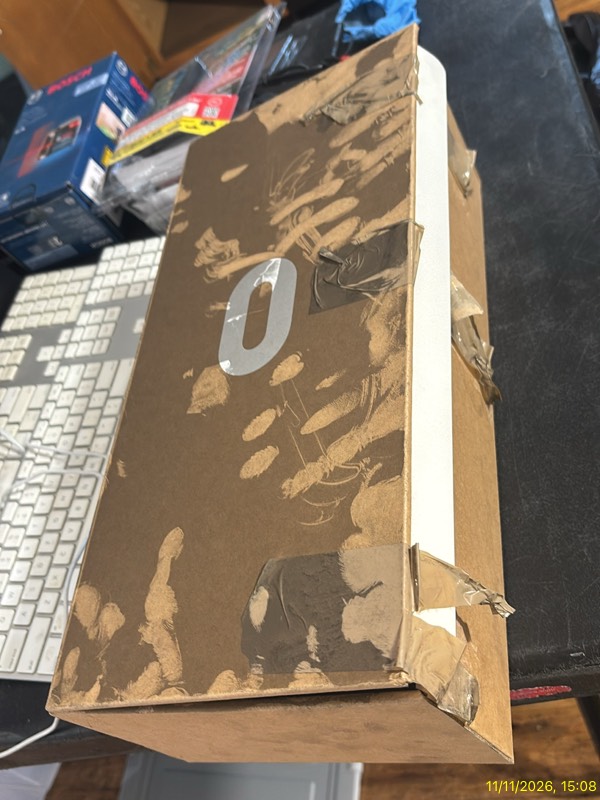
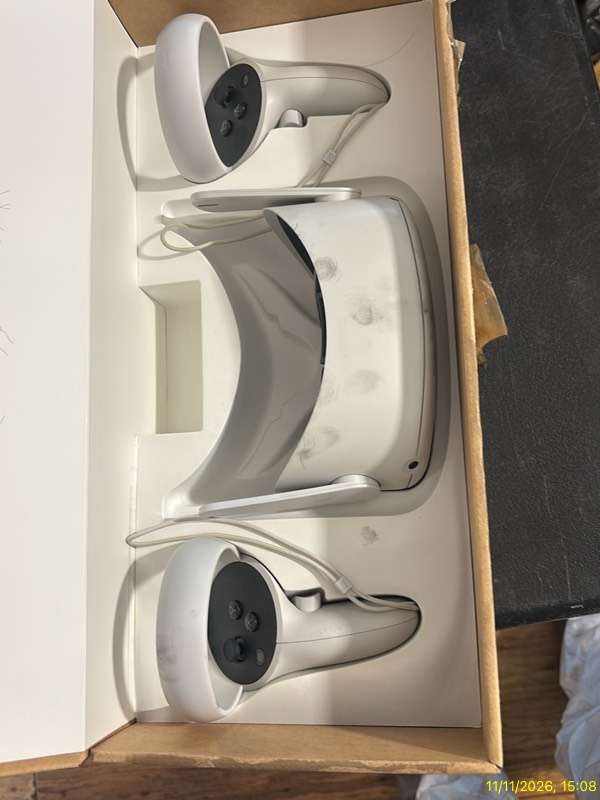
A VR gaming headset caught fire on a desk, and the residue spread through the entire house. Because of how far it traveled, we are packing out the whole home so every item can be cleaned and tested properly.
What homeowners say
“
After a devastating fire, On-site was absolutely wonderful and fast at packing up and inventorying everything.
Sarah C., Google review
“
We were so happy to have many of our belongings returned after a fire 14 months ago, as well as seeing how all had been cleaned, restored, and packaged well.
Ann Q., Google review
“
Going through the stress of a house fire is hard on its own. On-Site has been very comforting, careful, compassionate and thorough.
Kelly H., Google review
On-Site is rated 4.8 stars on Google from more than 300 reviews. Read them on Google.
We work directly with your insurance company
We work with your insurance company and your adjuster every step of the way. We document the loss the way your carrier requires and we bill the carrier directly. That documentation is how your carrier sees why a battery fire needs more than a standard smoke cleanup.
Your own policy decides what is covered.
What your carrier receives
- ✓ Every room photographed
- ✓ Every item photographed
- ✓ A full contents inventory
- ✓ The hygienist’s test results
Prevent the next one
- Stay nearby while a battery charges. Never charge while you sleep or are away from home [7].
- Use the charger that came with the device, and unplug it when charging is done [7].
- Stop using a battery that smells, changes color or shape, gets too hot, leaks or makes odd noises [6].
- Recycle batteries at a battery recycling location or household hazardous waste site, never in the trash [6][7].
More tips in our lithium battery fire safety guide.
Questions homeowners ask
Is it safe to stay in my house after a lithium battery fire?
Not until the residue is tested and cleaned. The soot can carry heavy metals and acidic compounds in very fine particles. Keep everyone out of the affected rooms and call us before anyone cleans.
Can I clean up after a small battery fire myself?
We don’t recommend it. Wiping and household vacuums spread metal residue instead of removing it, and the burned battery can reignite. Even a small fire is worth a call before you touch anything.
How is lithium battery fire cleanup different from regular fire cleanup?
The residue is acidic and carries metals, so it has to be HEPA vacuumed, neutralized, cleaned twice and tested. Regular smoke cleanup skips most of those steps.
What do I do with the burned battery?
Leave it where it is and keep people away from it. A licensed vendor isolates it in a metal container with sand or vermiculite, and removes it.
Can my belongings be saved after a battery fire?
Often, yes. Hard-surface items usually clean well, and clothing outside the fire room can often be saved with specialized cleaning. Every item is photographed and evaluated before any decision.
Does homeowners insurance cover lithium battery fire cleanup?
Most standard homeowners policies cover fire damage, including fires started by lithium batteries. Coverage for the device itself can be limited, and every policy is different. We work directly with your insurance company and provide the documentation your carrier needs to review the claim. We get your insurance company’s approval before we start the cleanup, so you’re not left paying for work your carrier hasn’t agreed to.
Had a battery fire? Call before you clean.
Our team answers 24/7. We clean up after battery fires in Michigan, Ohio and the Tampa Bay area. Always On to help get your life back to normal.
Sources
- UL Fire Safety Research Institute, fire hazards of lithium-ion battery fires caused by thermal runaway (Fire Technology, 2025).
- Larsson, F. et al., Toxic fluoride gas emissions from lithium-ion battery fires (Scientific Reports, 2017).
- UFF, position statement on lithium-ion battery fire decontamination (2024).
- UL Research Institutes, health implications of emissions when lithium-ion batteries fail (2023).
- Recycling Product News, what the recycling industry can learn from residential lithium-ion battery fires (2025).
- U.S. Fire Administration, lithium-ion battery safety and risks and response strategies for lithium-ion battery fires.
- U.S. Consumer Product Safety Commission, Micromobility Information Center.
- International Agency for Research on Cancer (IARC), agents classified by the IARC Monographs: nickel compounds (Group 1); cobalt metal and soluble cobalt(II) salts (Group 2A, Volume 131, 2023).